
Heijo Palace was the center of Heijo-kyo, the capital of Japan during the Nara period (710-784). In modern times, Heijo Palace would be equivalent to a district containing the Imperial Palace, the National Diet Building, and government offices.
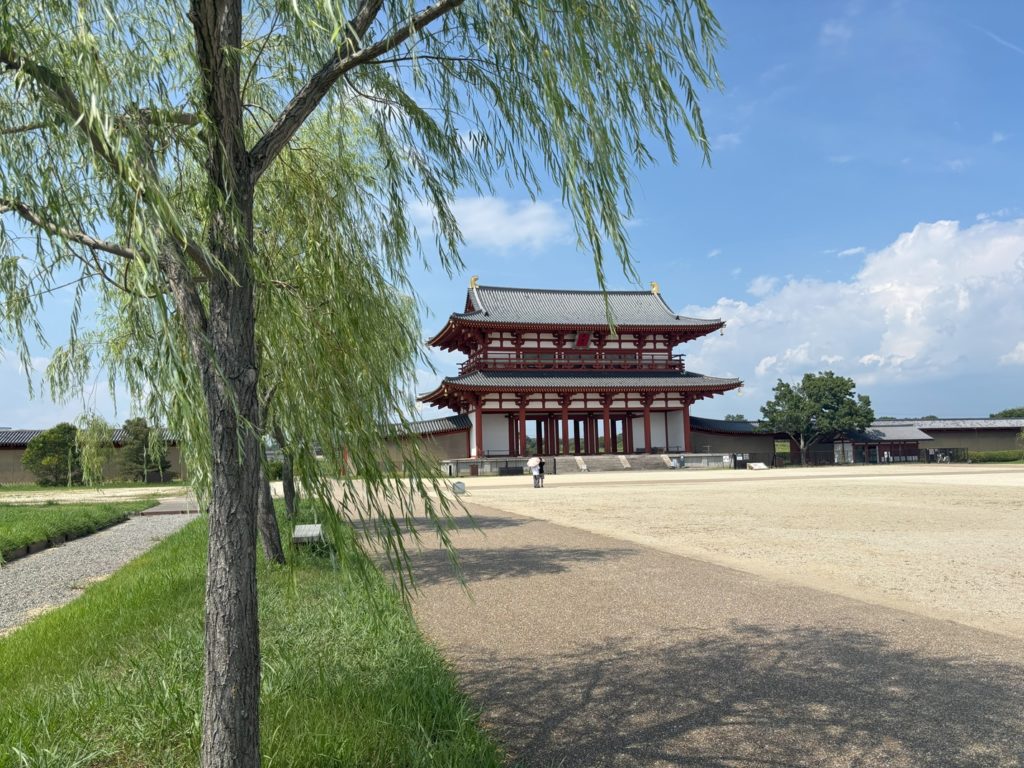
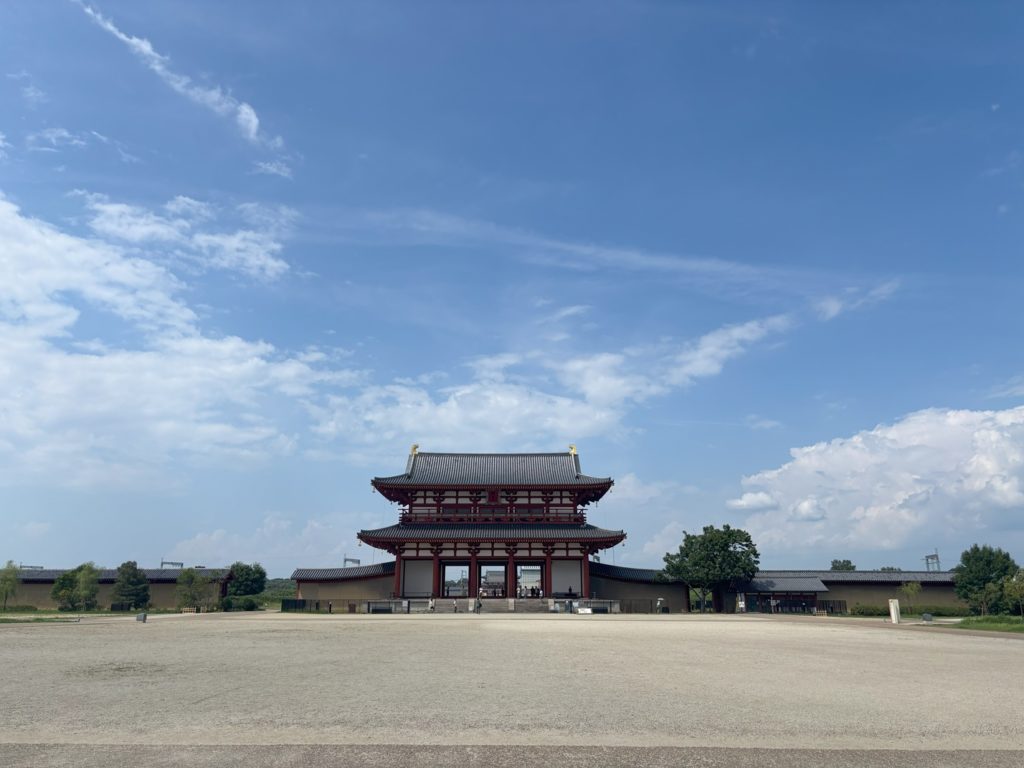
On the south side of this section is the southern gate of Heijo Palace, Suzaku Gate(Suzakumon). At that time, a 70-meter-wide road (Suzaku Oji) stretched straight south for about 4 km from there to receive foreign envoys. At the southern end of the road was the main gate of the capital, called Rajo Gate(Rajomon).


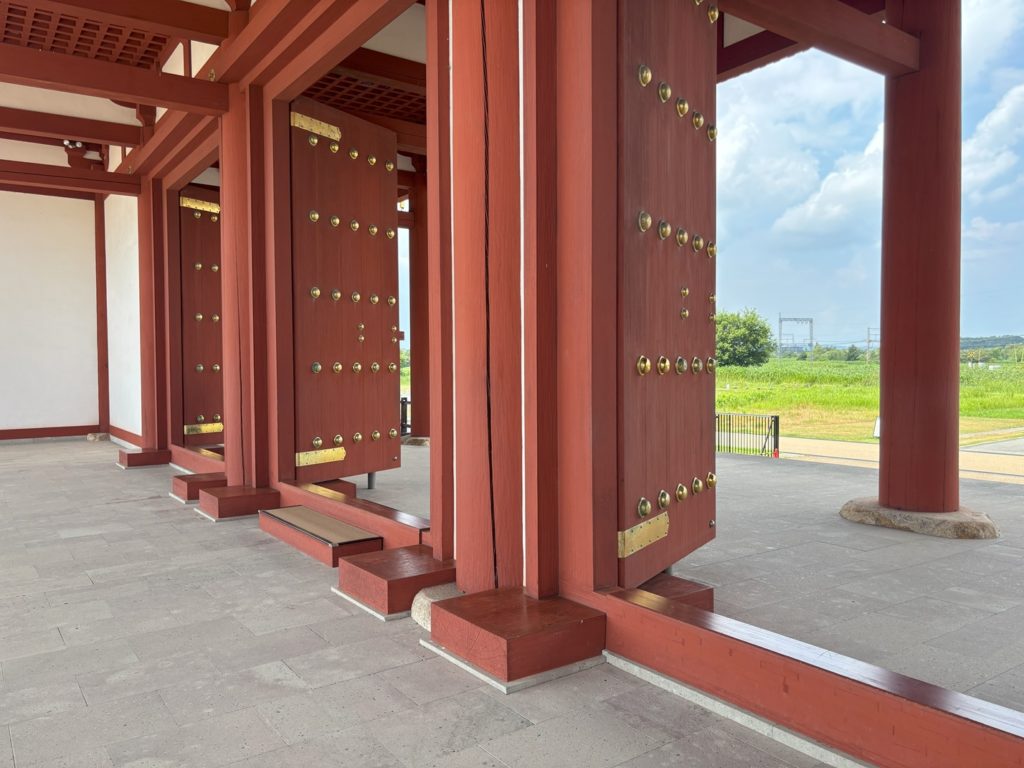
From Suzaku Gate to the southern end of the city at Rajo Gate, a large city was formed in a grid pattern with east-west and north-south streets. This was the city of Heijo-kyo. The population of the capital is said to have been around 100,000. After the Nara period, the capital was moved to Kyoto, and the Heian period (794-1185) began.

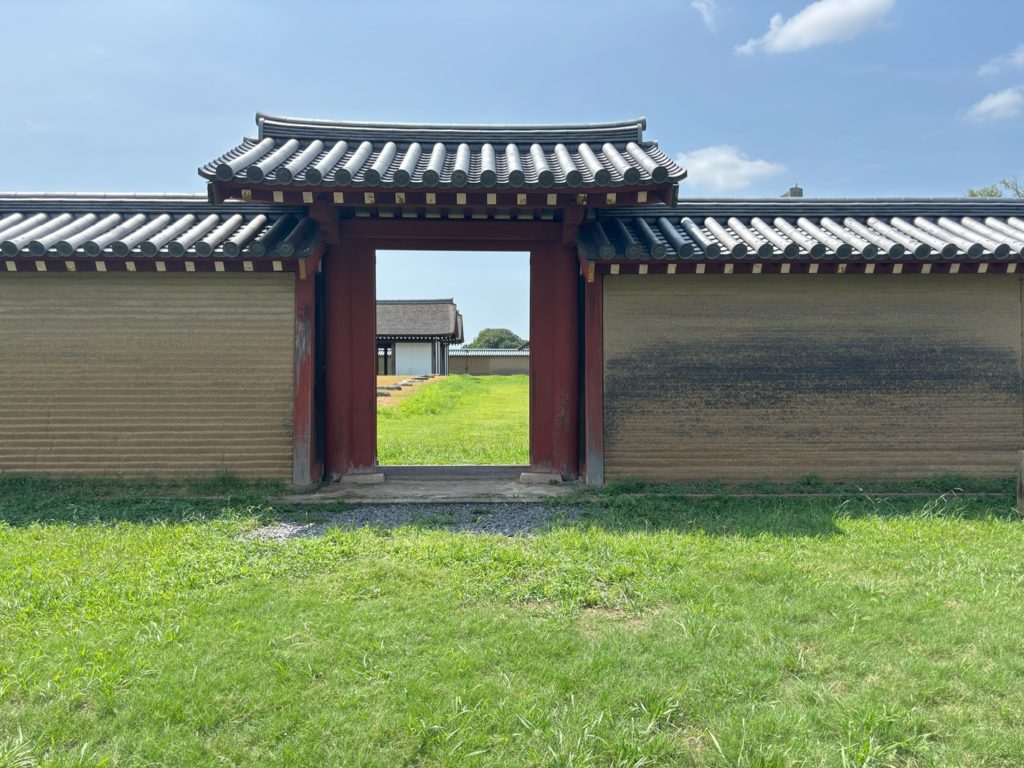
During the Nara period, there were struggles for the imperial throne and power struggles between powerful clans.Amidst this turmoil, a legal system consisting of criminal punishment and administration was established, and a centralized state centered on the emperor was completed.
It was also a period when envoys were sent to the Tang dynasty in China to learn about Chinese culture, and Buddhism became intertwined with politics, leading to the rise of Buddhist influence.Therefore, Heijo Palace imitated Chang’an, the capital of Tang China. As a result, it retains a strong Chinese influence. Later, Heian-kyo built in Kyoto was also modeled after Chang’an, but it is now buried underground and cannot be seen like Heijo Palace.
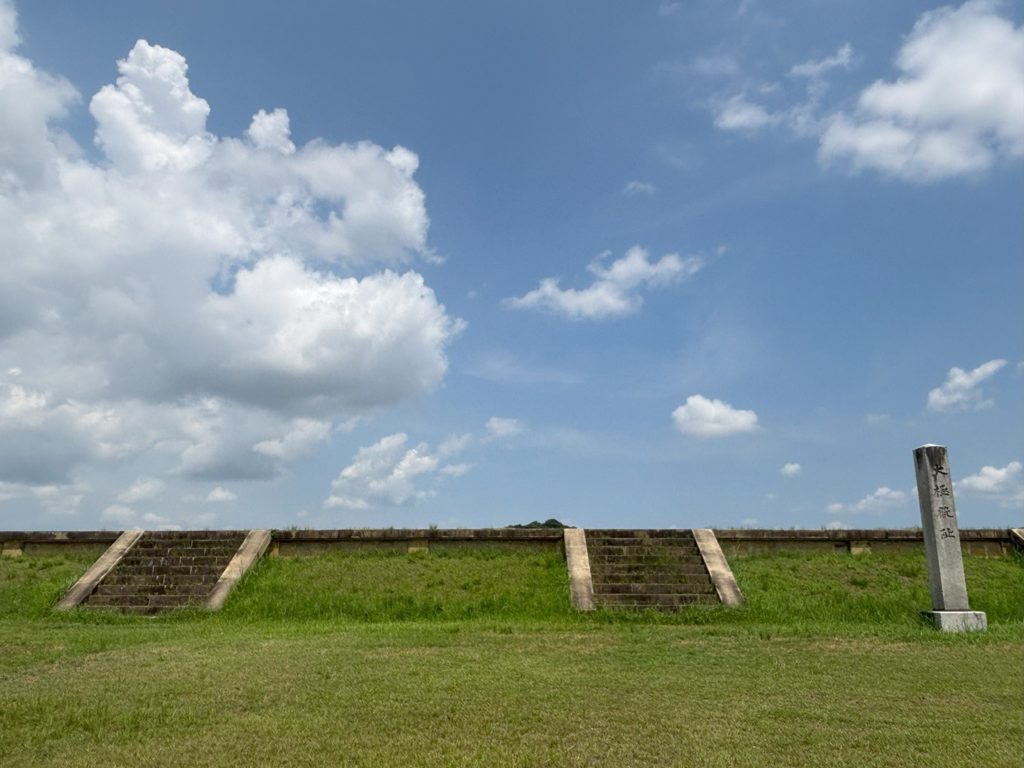
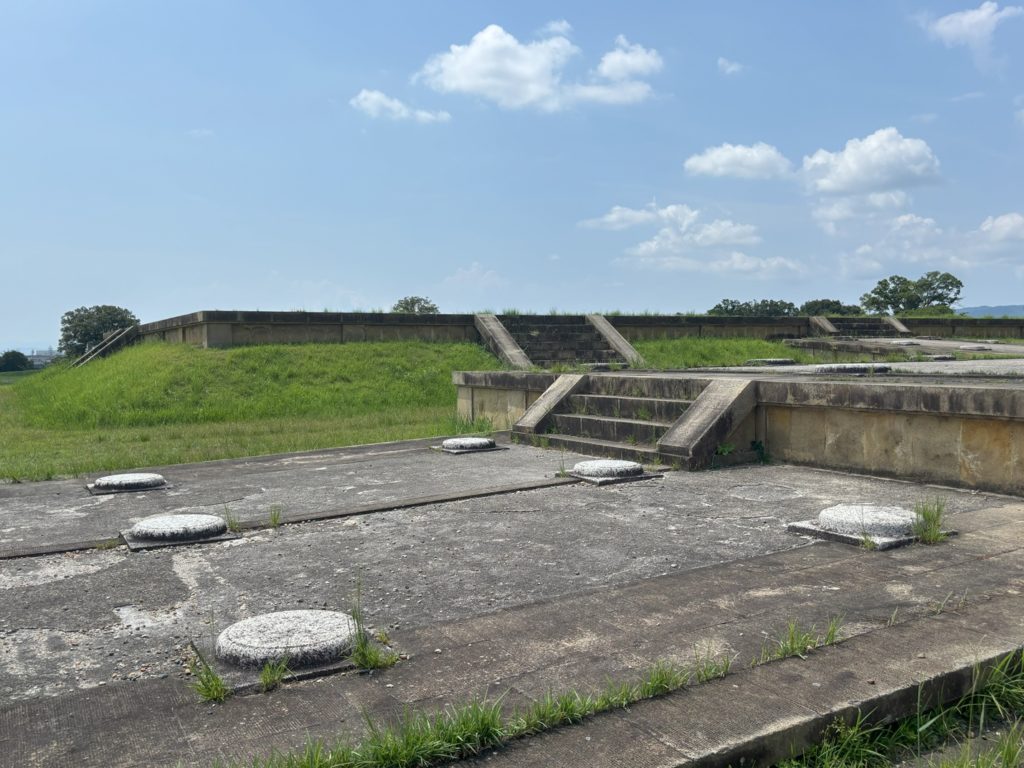
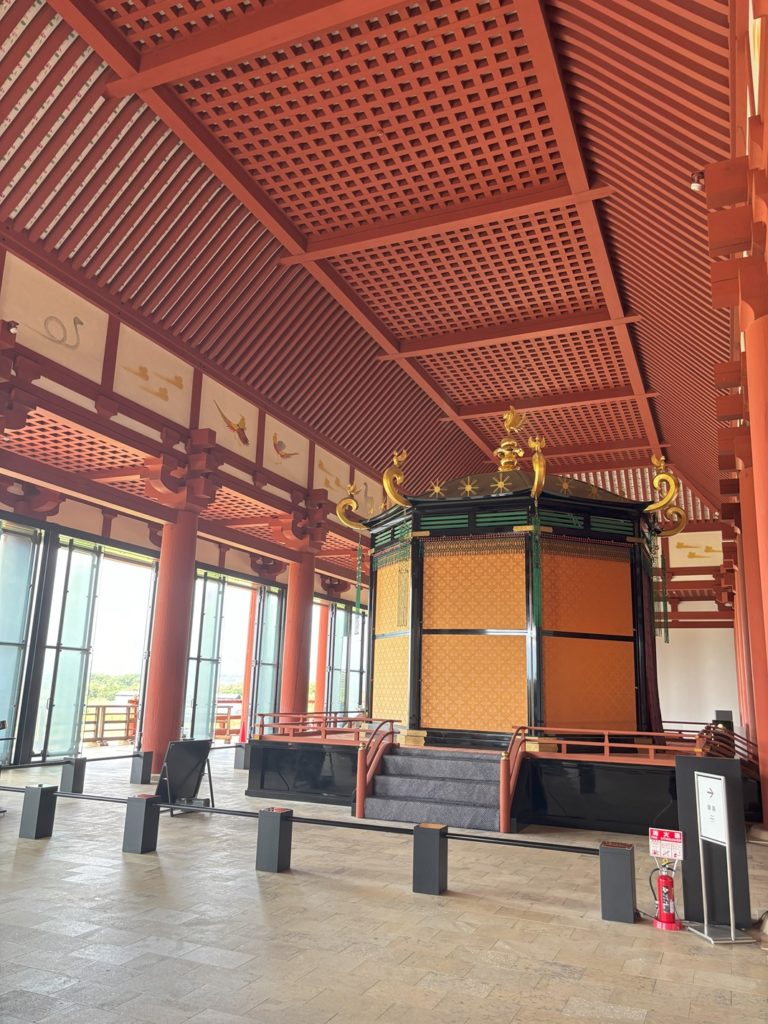
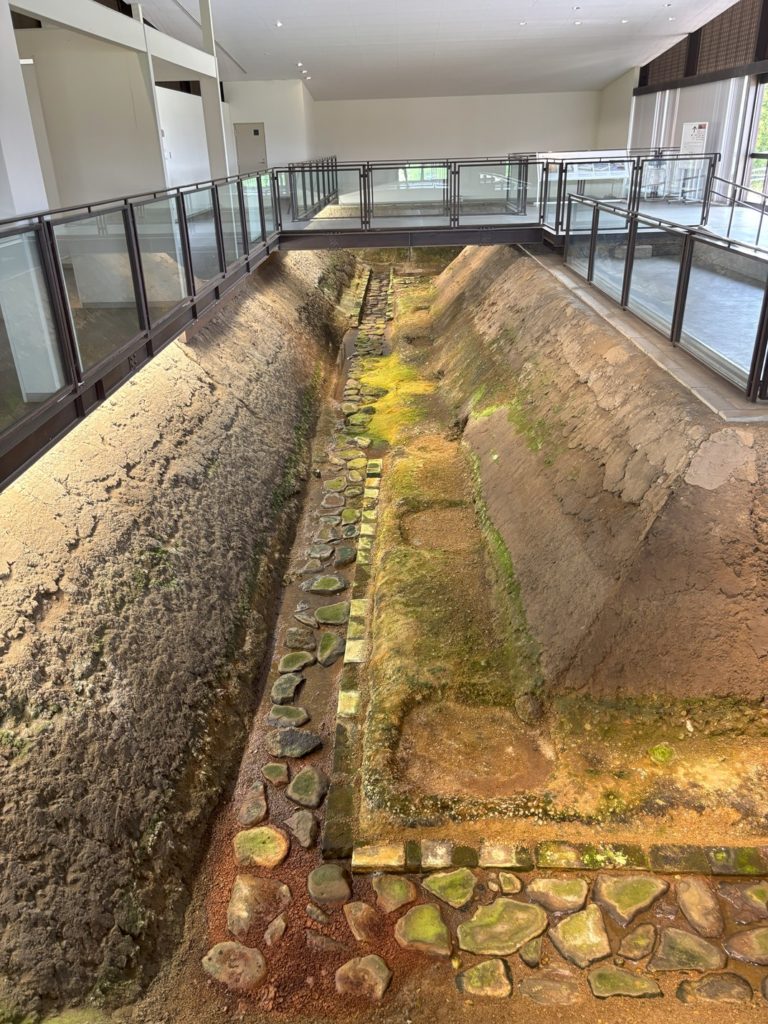
When you visit the Heijo Palace ruins, you will see how vast they are. Currently, the Heijo Palace ruins are being developed as Heijo Palace Historical Park, and work is underway to preserve the ruins and restore the buildings.
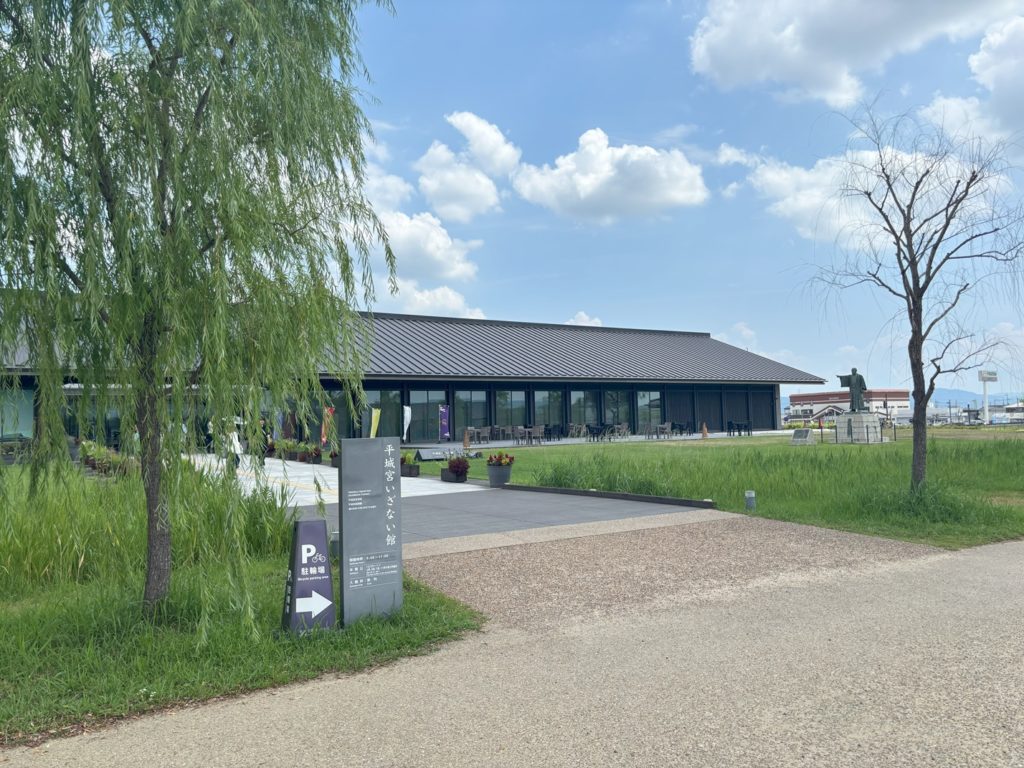


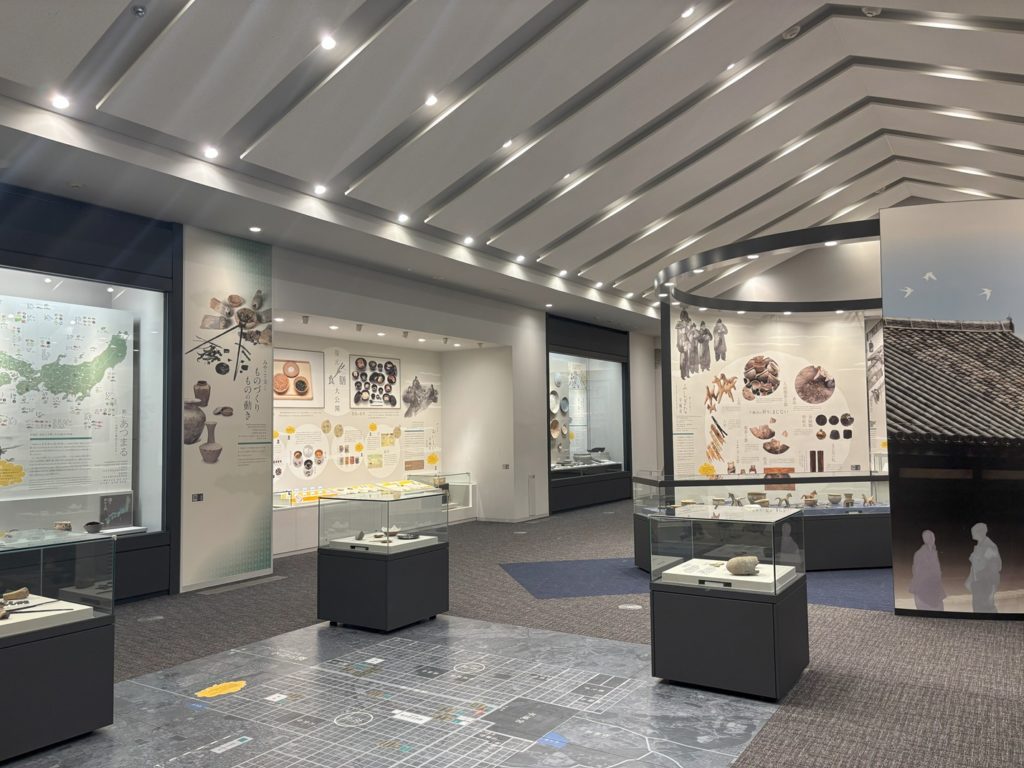
The Izanai-kan museum near the Suzaku Gate is a museum where you can learn about life at that time. Please stop by and take a look.
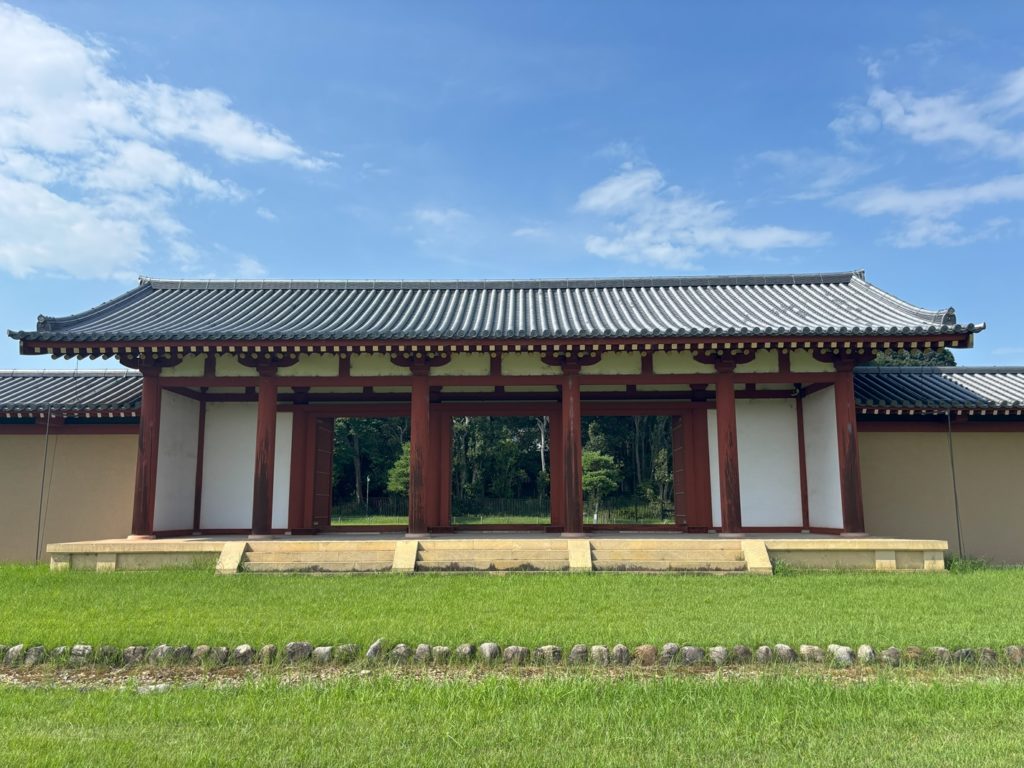
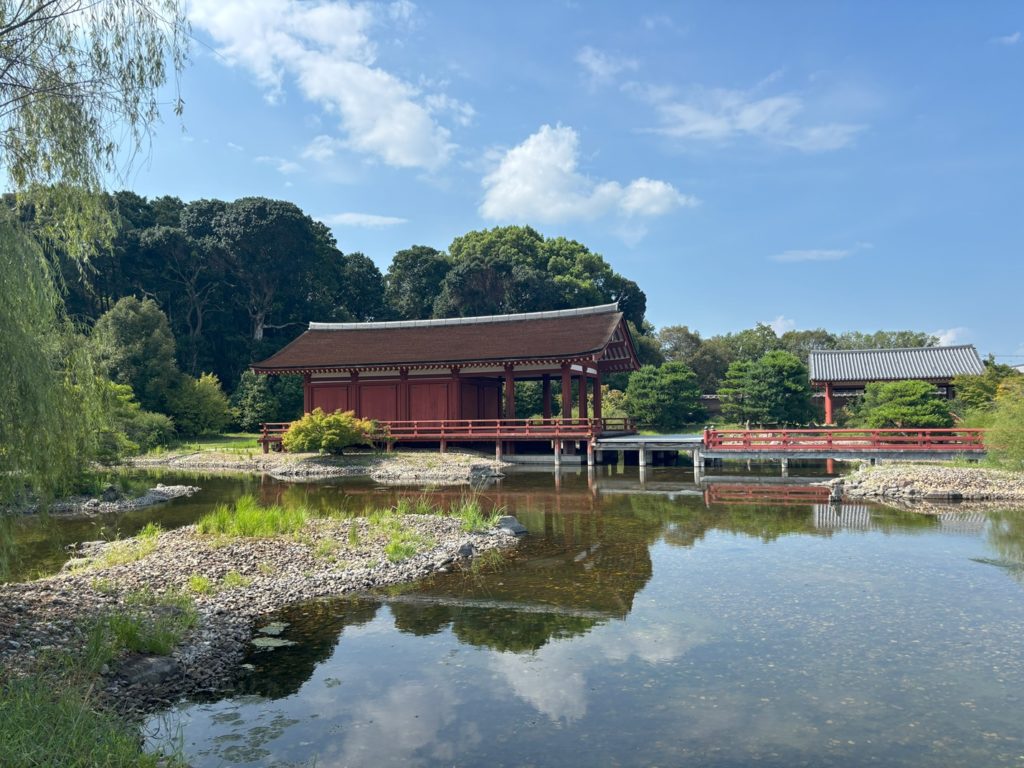

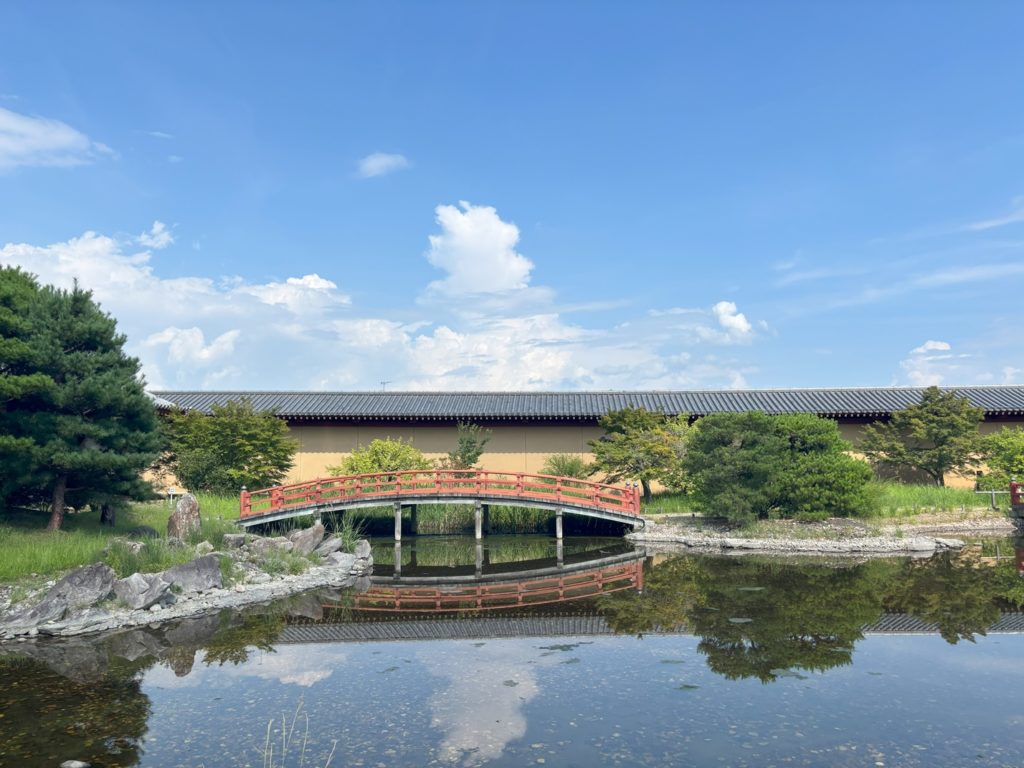
The East Palace Garden, which is said to be the prototype for gardens in later periods, is located on the east side of Heijo Palace. It is also worth stopping by.

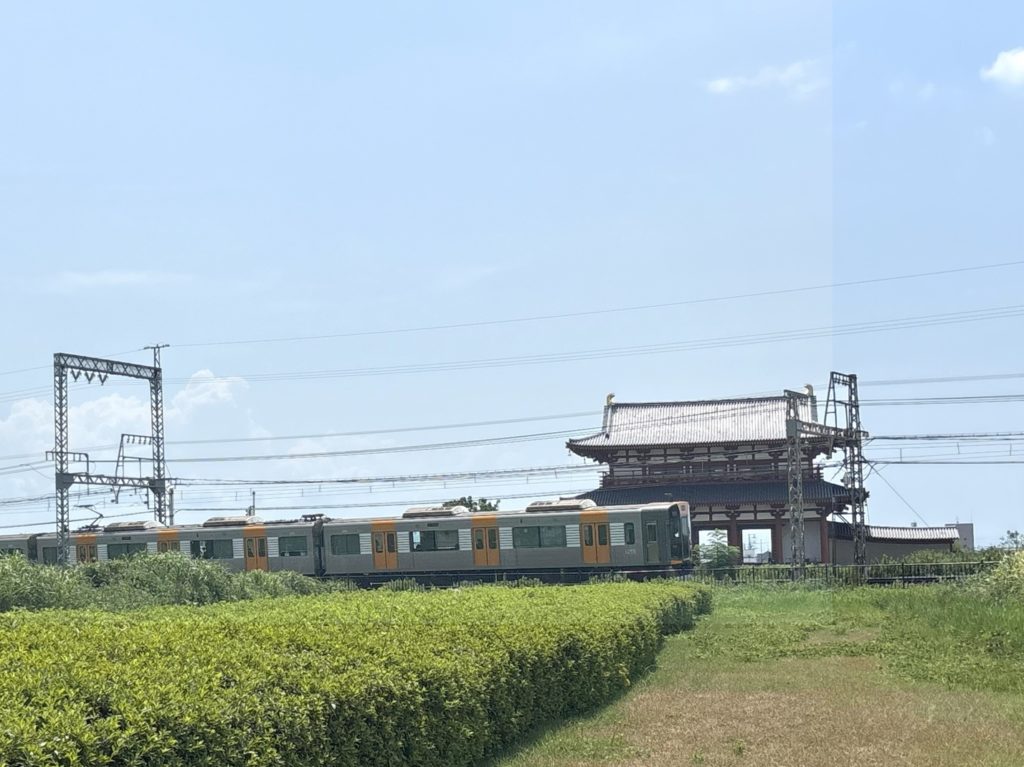
Interestingly, the Kintetsu Railway runs through the Heijo Palace ruins. There are plans to reroute the Kintetsu Railway to bypass Heijo-kyo in the future.
To get to Heijo Palace from Kyoto, take the Kintetsu Kyoto Line express train from Kintetsu Kyoto Station and get off at Yamato-Saidaiji Station. It takes about 40 minutes. It is about a 10-minute walk from Yamato-Saidaiji Station.
Nara Palace Site Historical Park
https://www.heijo-park.jp/en/



Comment