
In the heat of summer, I walk the streets of Yamato Koriyama.
First, we headed for the ruins of Koriyama Castle.Climbing up to the castle tower, we can see Mt. Wakakusa and Todai-ji Temple to the east, Mt.Nijo and Mt.Katsuragi to the west.
The stone walls of the castle keep incorporate stone that was diverted for use in the construction, showing the painstaking effort that went into building more stone walls.
This castle has played an important role historically, so important figures under the regime of the time have been the owners of the castle.
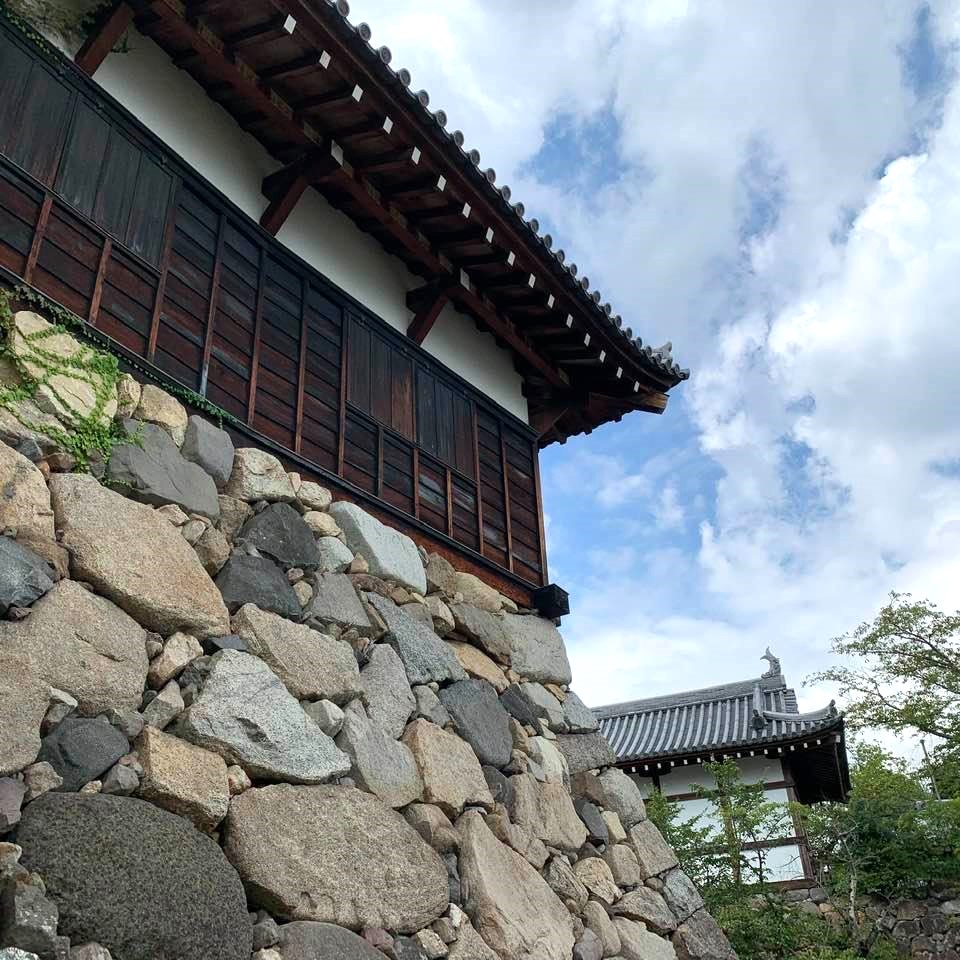
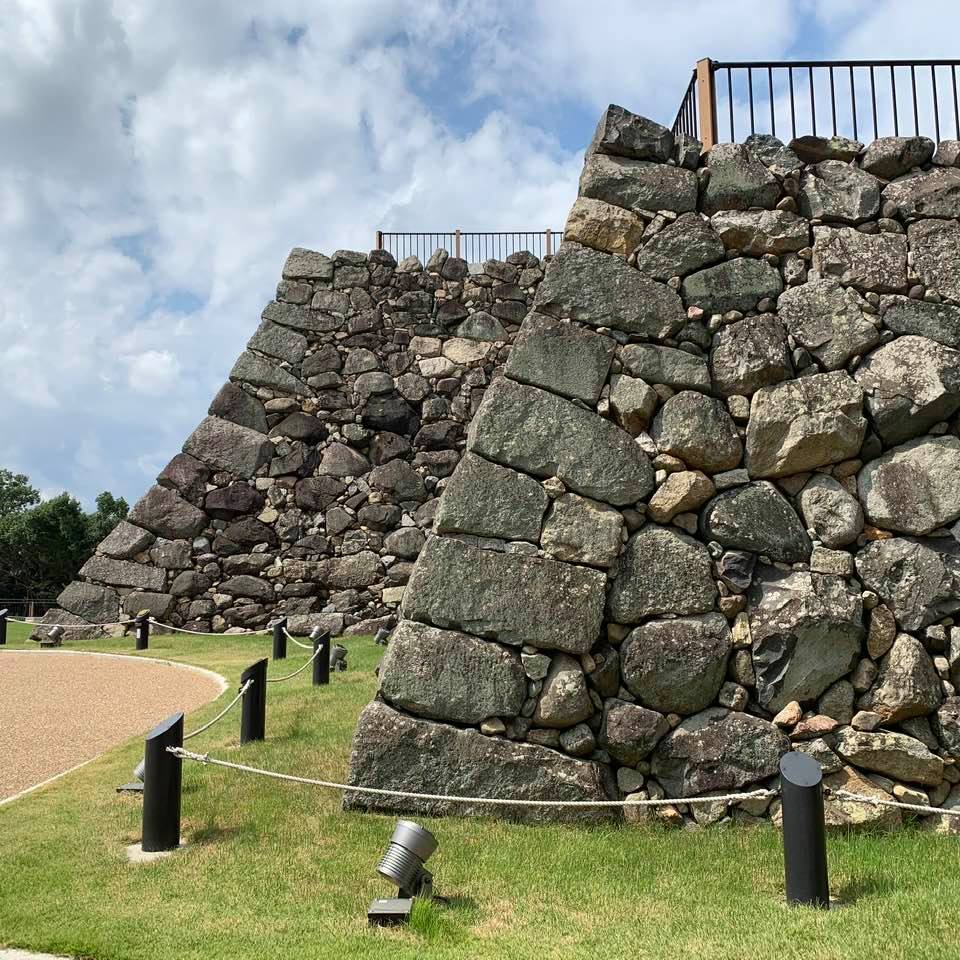
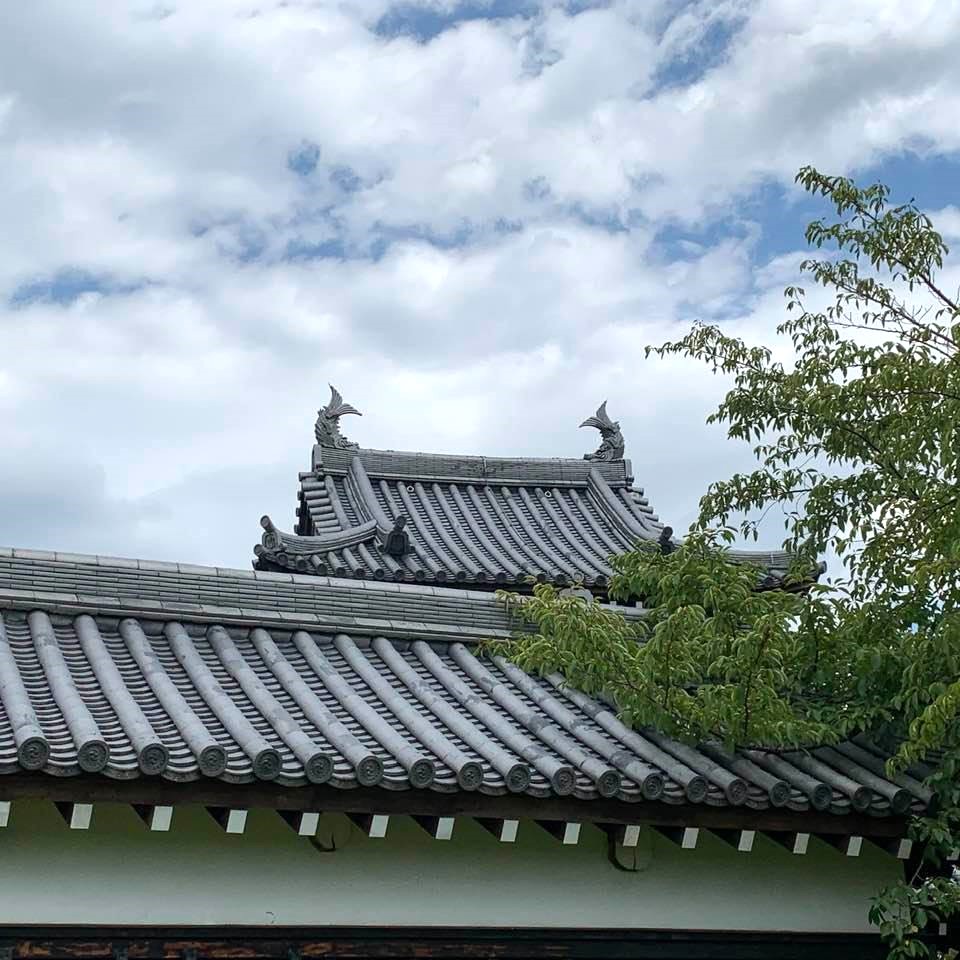
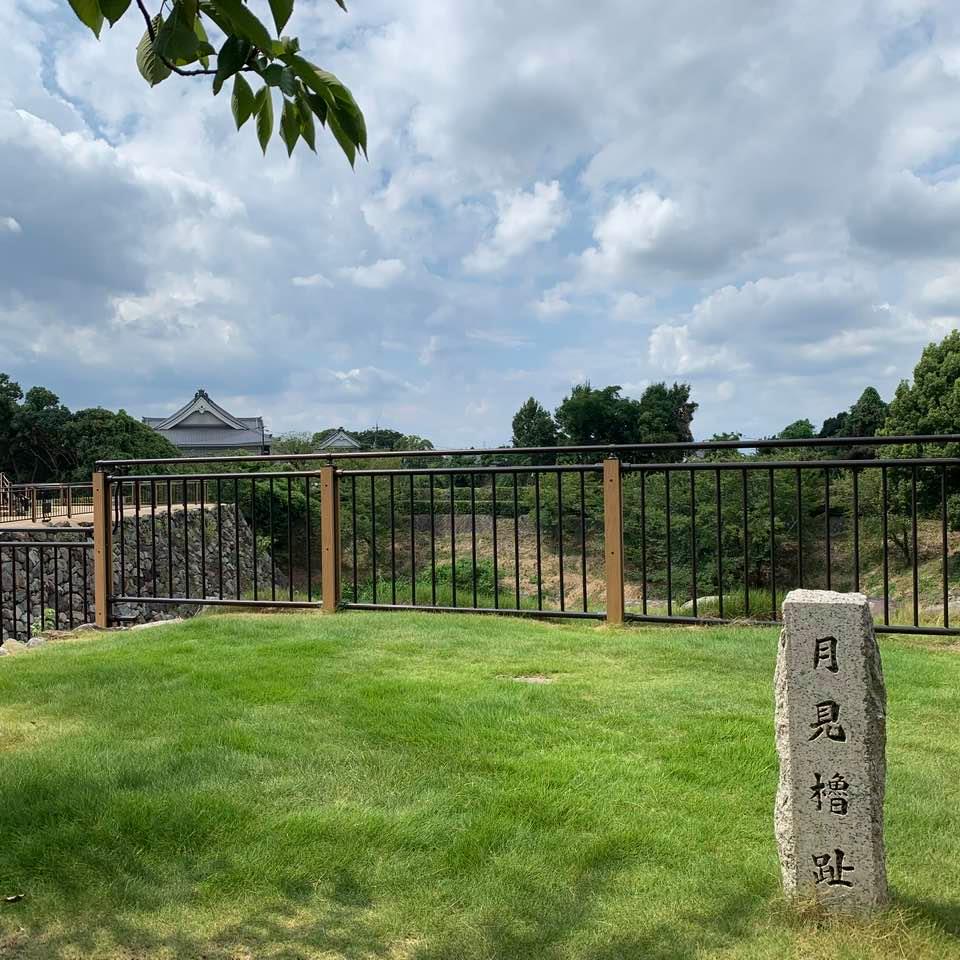
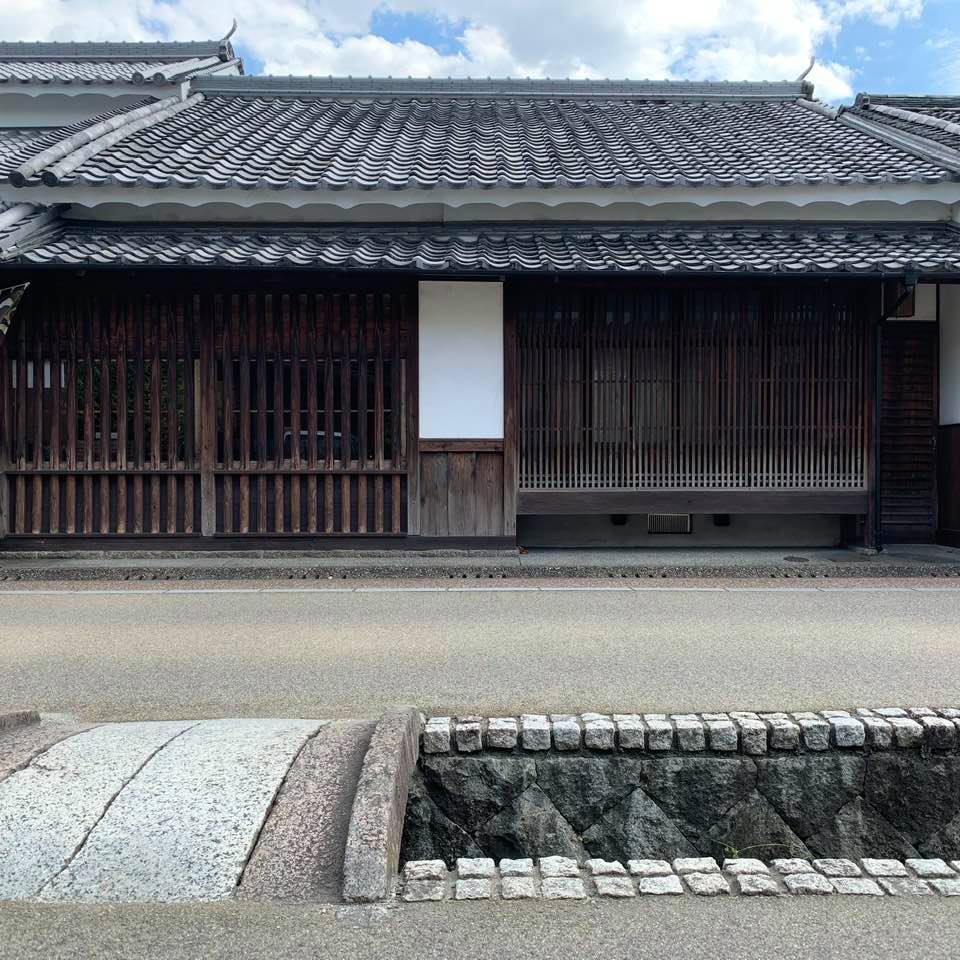
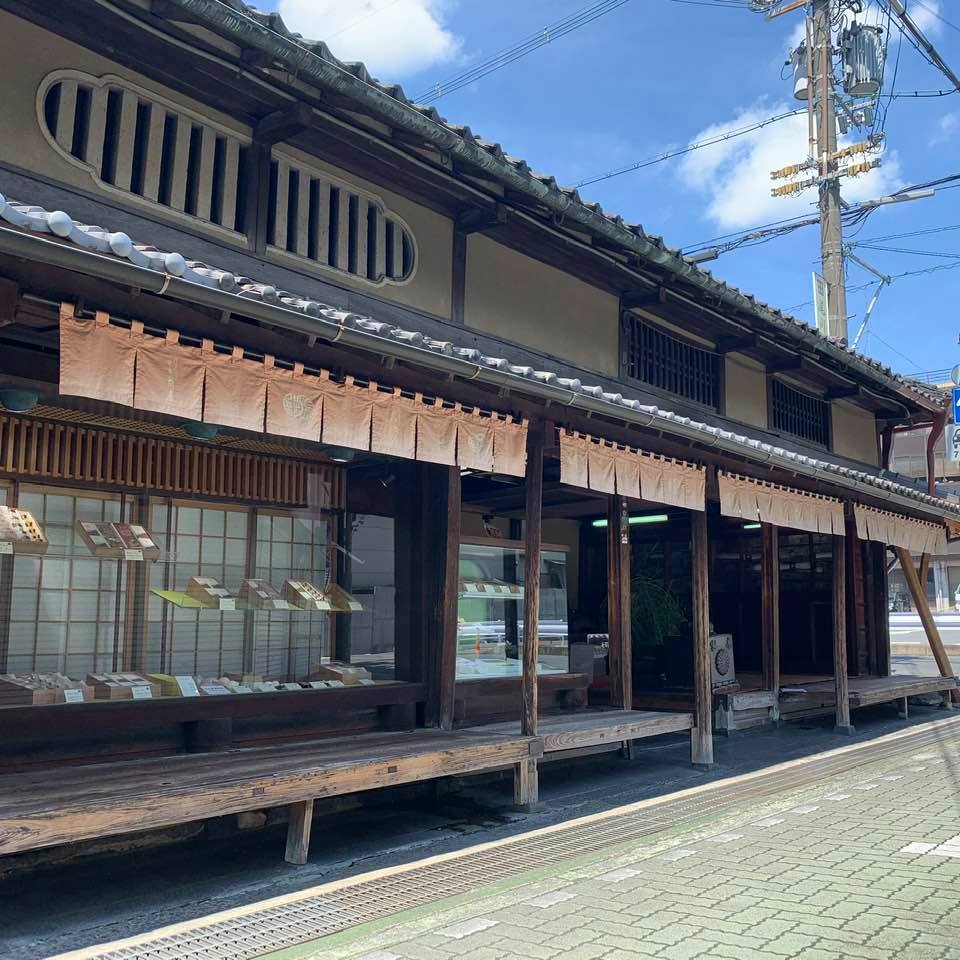
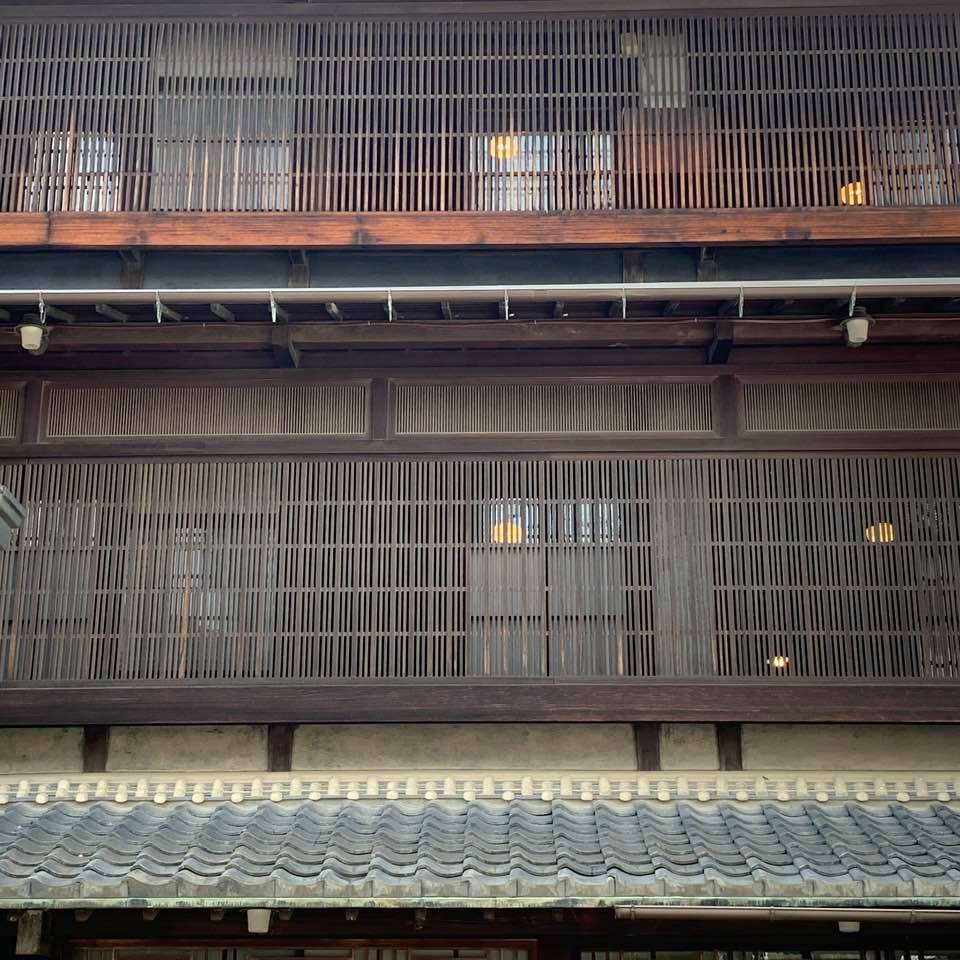
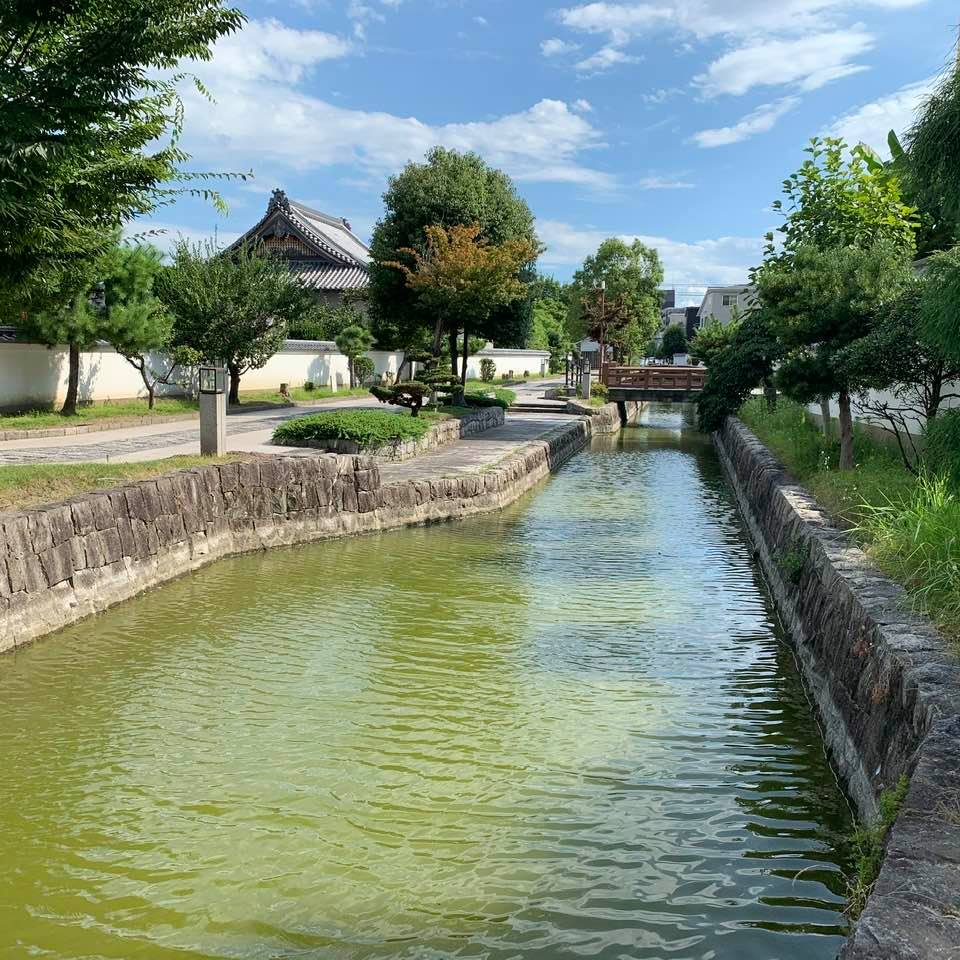
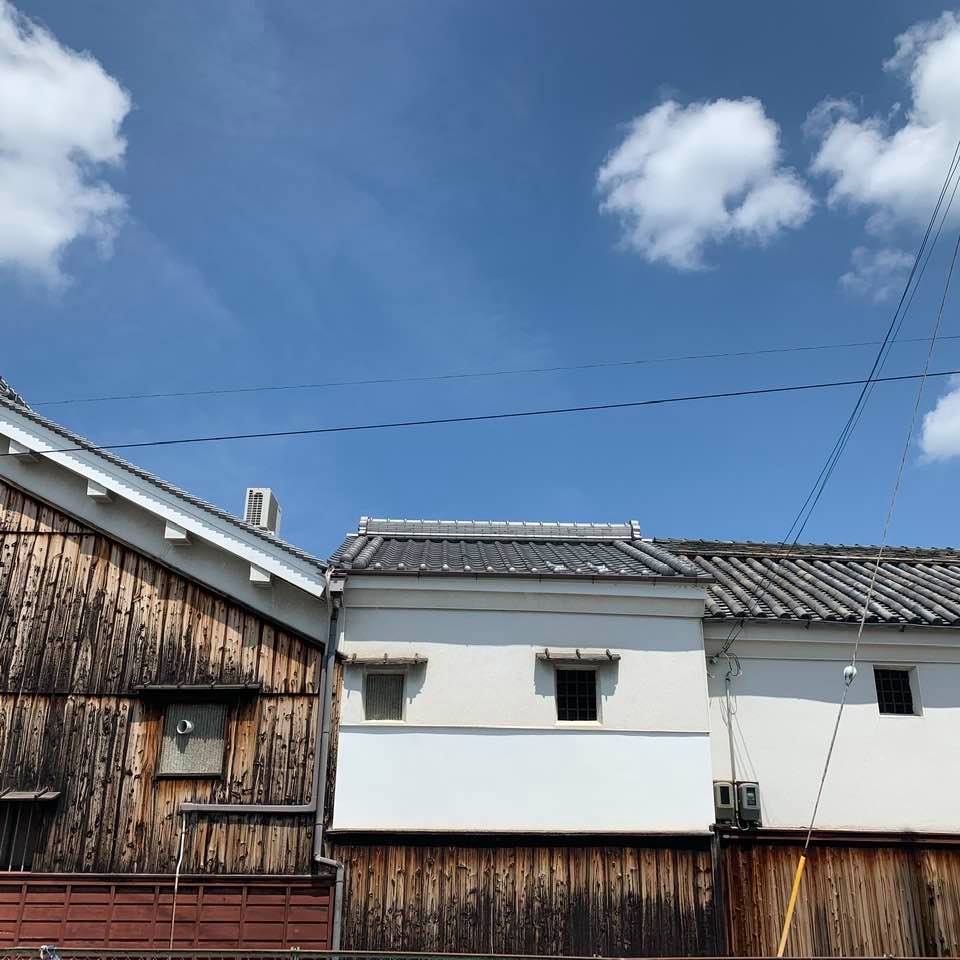
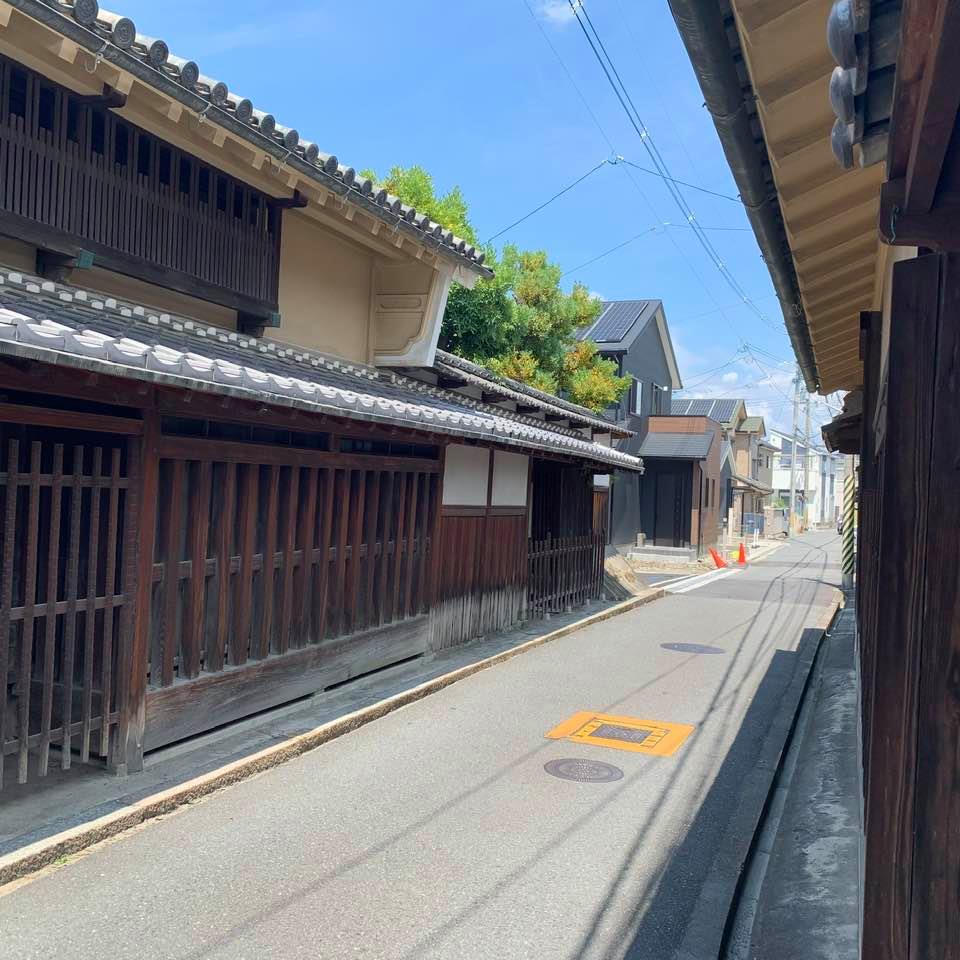
Heading east from the castle is the castle town.There are sake breweries, long-established Japanese sweets shops that date back to the reign of Toyotomi Hideyoshi (1537-1598), and even a former red-light district still stands. Walking around the town is never boring. On the outskirts of the town are the ruins of Rajo-mon Gate, the entrance to Suzaku-oji Avenue (the southern end of Suzaku-oji Avenue) of the Heijo-kyo Capital.
In the Nara Period (710-784 or 794), Suzaku-oji Avenue extended northward from here to the Suzaku-mon Gate, where the Nara Line of the Kintetsu Railway crosses in front of it.
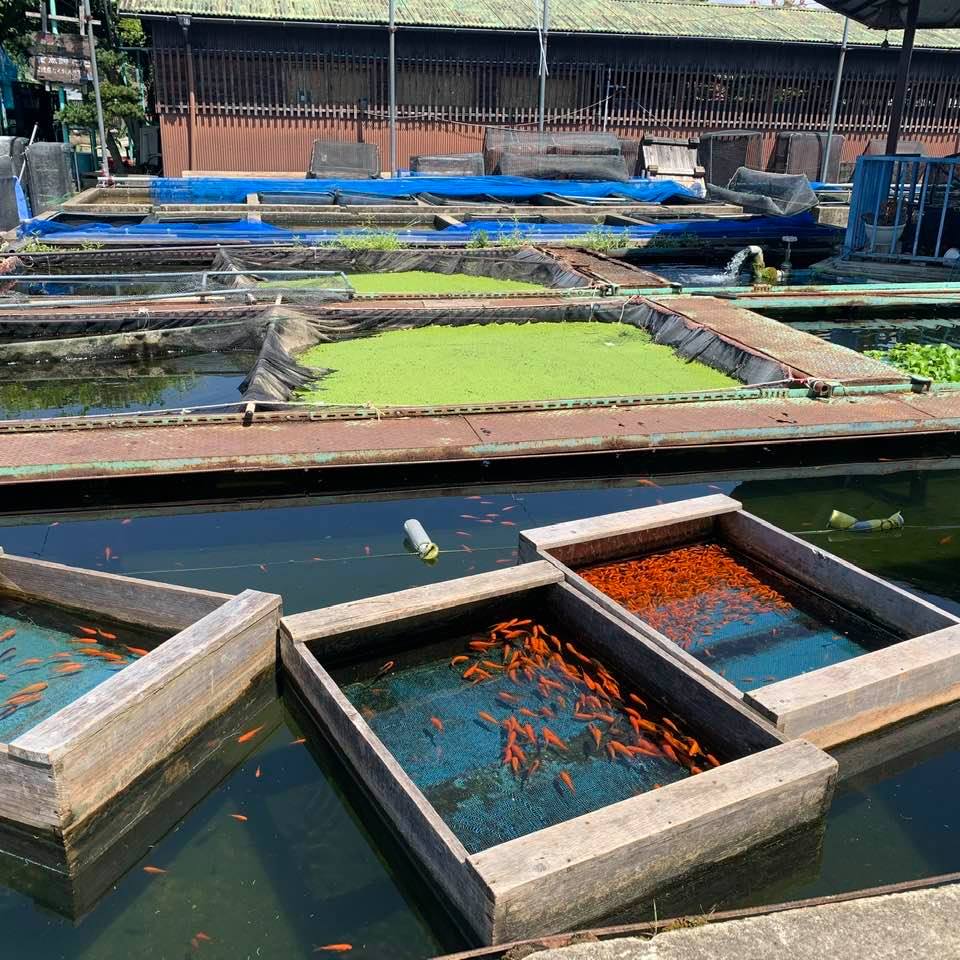
On the south side of town, there is a goldfish farm.Goldfish (Kingyo in Japanese) farming began when the lord of the castle at that time brought goldfish to this Koriyama area when he switched countries.Thanks to Koriyama’s favorable environment for goldfish cultivation and the castle lord’s support for goldfish cultivation, goldfish cultivation flourished after the Meiji Restoration (The series of modernization reforms carried out within Japan from the late Edo period (Bakumatsu) in the latter half of the 19th century to the early Meiji period), and the area has become a goldfish production center today.Looking into the site of a paddy field filled with water, one can see a lot of goldfish fry.
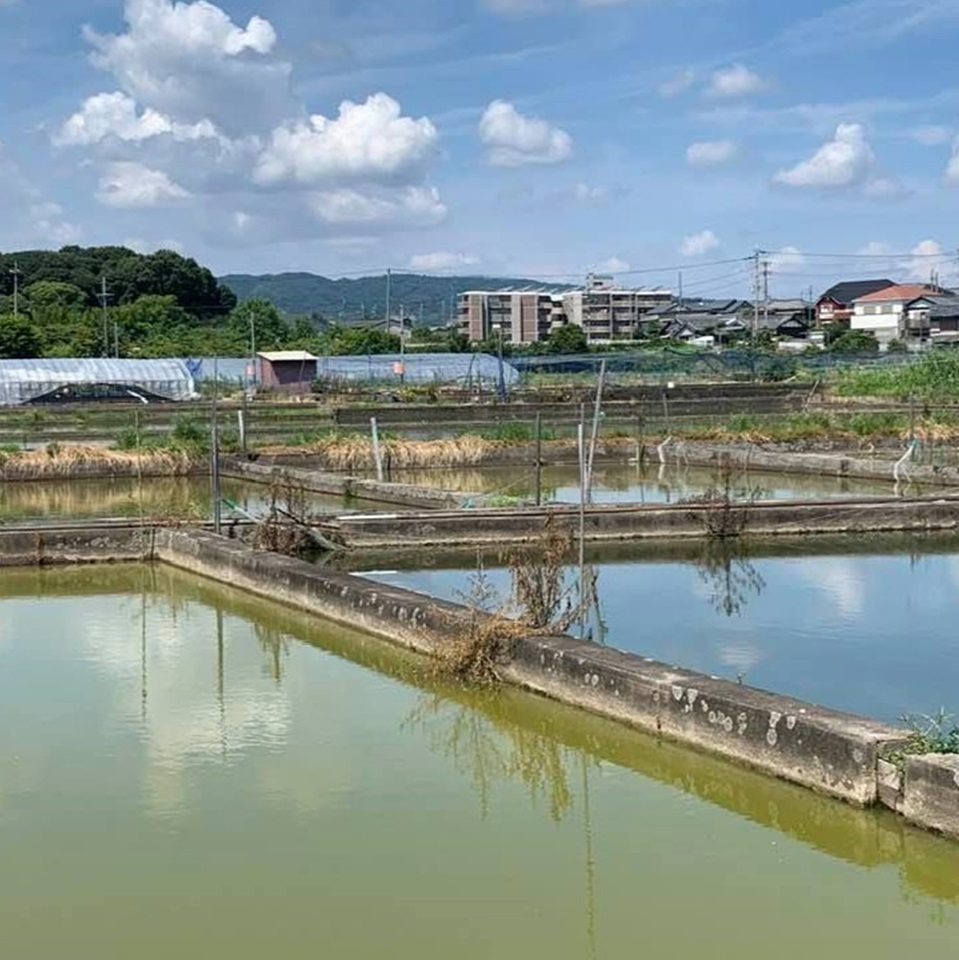
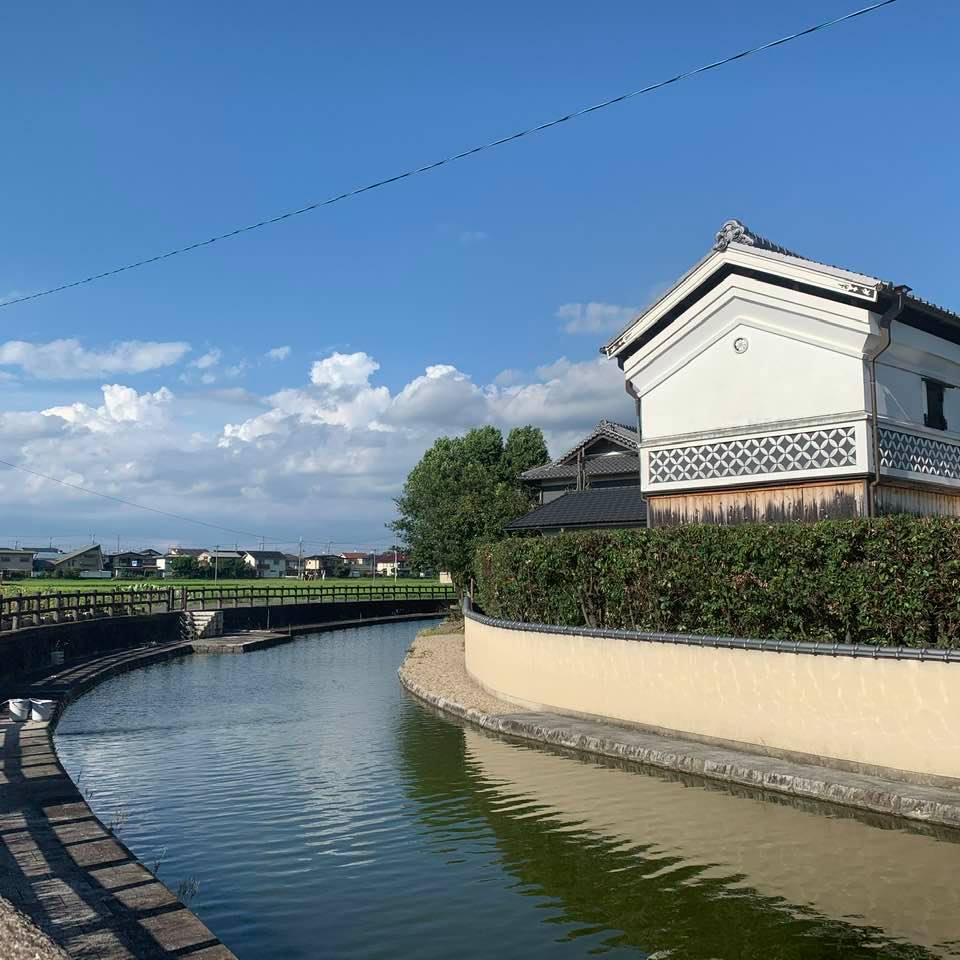
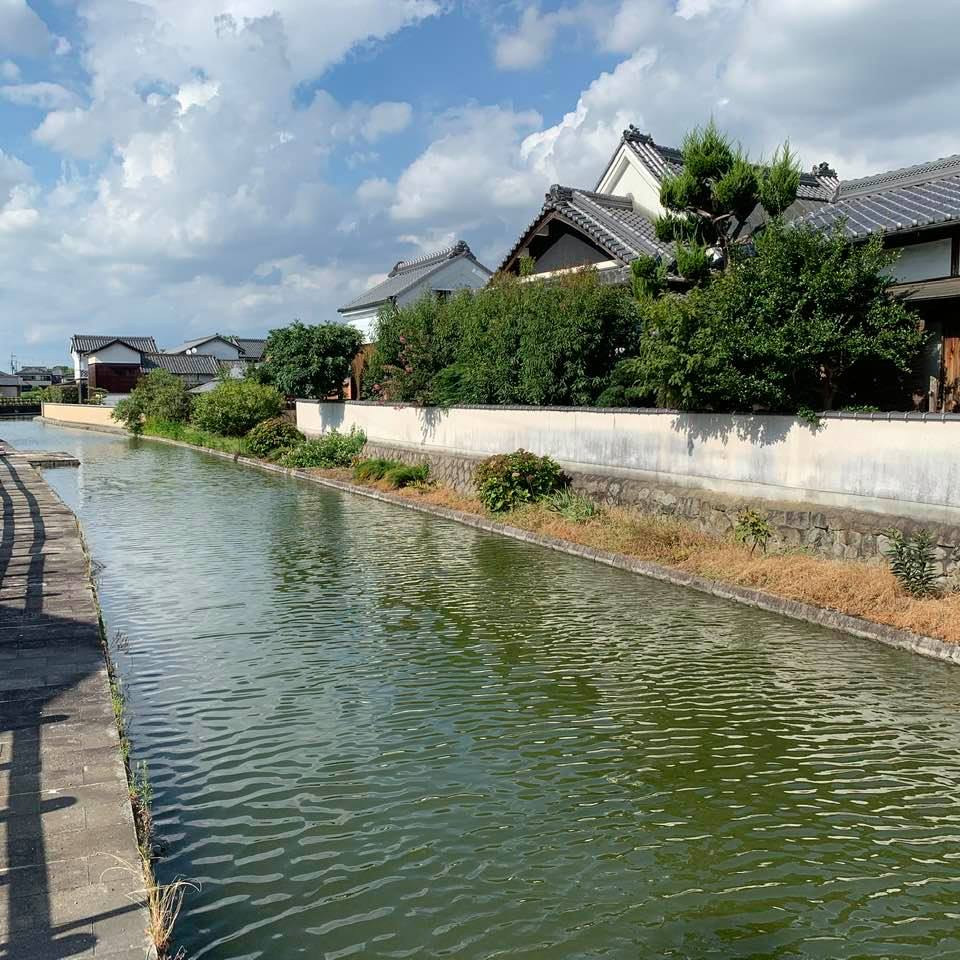
Since we are going all this way, i will be greedy and visit the moat encircling village of Hieda.Here, the moat surrounds the settlement where people live.The outside of the moat is a rice field, which seems to be a medieval structure built for the purpose of water utilization.It is a rare sight to see, so it was worth the trip.
To get to this Yamato Koriyama, take the Kashihara Line from Kintetsu Yamato Saidaiji Station.Get off at Kintetsu Koriyama, the fourth stop. The ride takes about 10 minutes.
It is also good to visit the Heijo Palace Site Historical Park in combination.


Comment