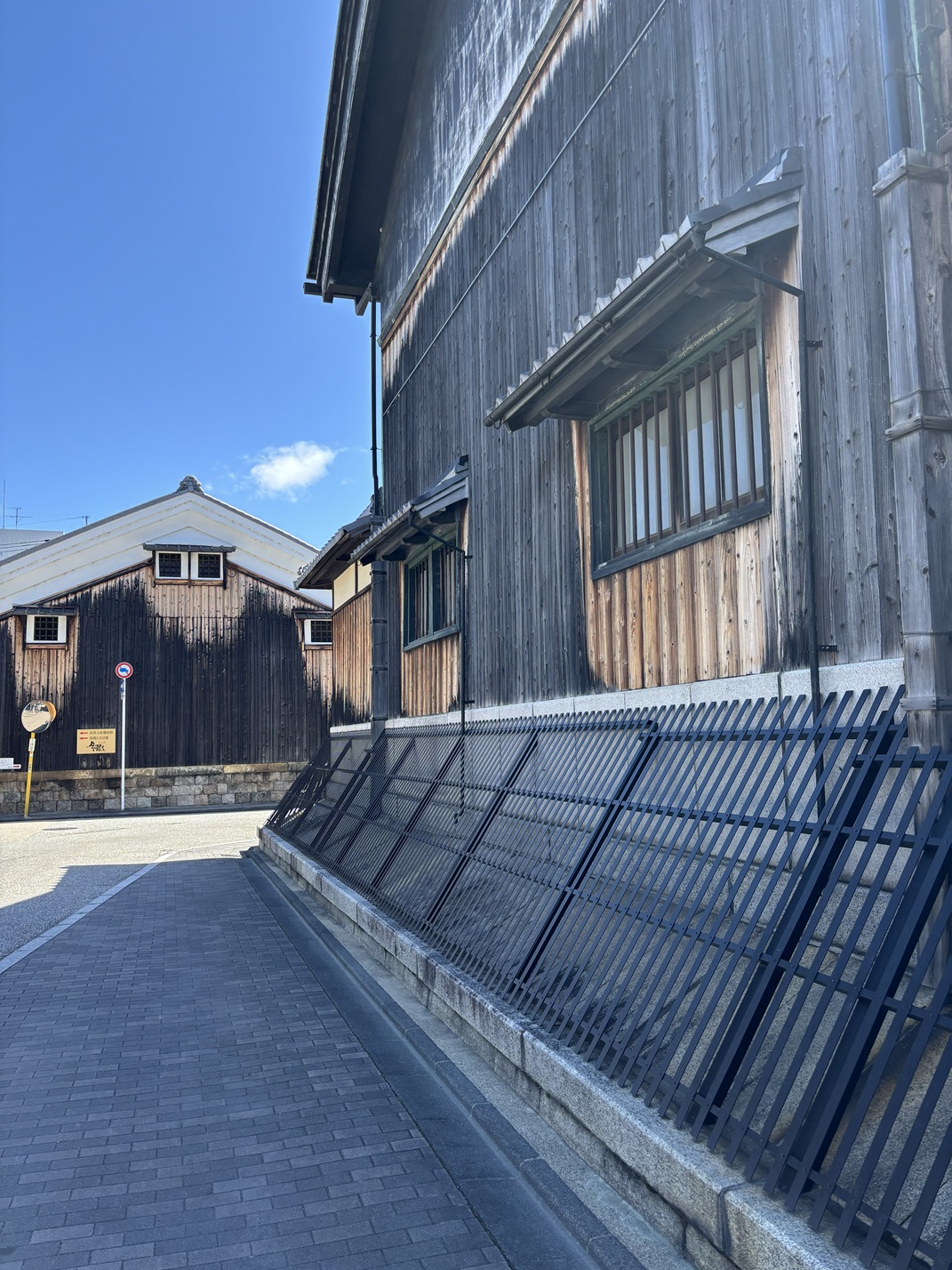
Fushimi is a town of sake breweries.Fushimi has long been a thriving center of sake brewing, thanks in part to its abundance of water ideal for the craft. This tradition of sake brewing truly flourished during the Azuchi-Momoyama period (1573–1603).
With the construction of Fushimi Castle by Toyotomi Hideyoshi(1537-1598), the town of Fushimi flourished greatly. As the population grew, demand for sake increased, and the town quickly came into the spotlight. Furthermore, during the Edo period(1603-1868), Fushimi continued to develop as a key hub for land and water transportation, connected to Kyoto by highways and canals and to Osaka by the Yodo River.
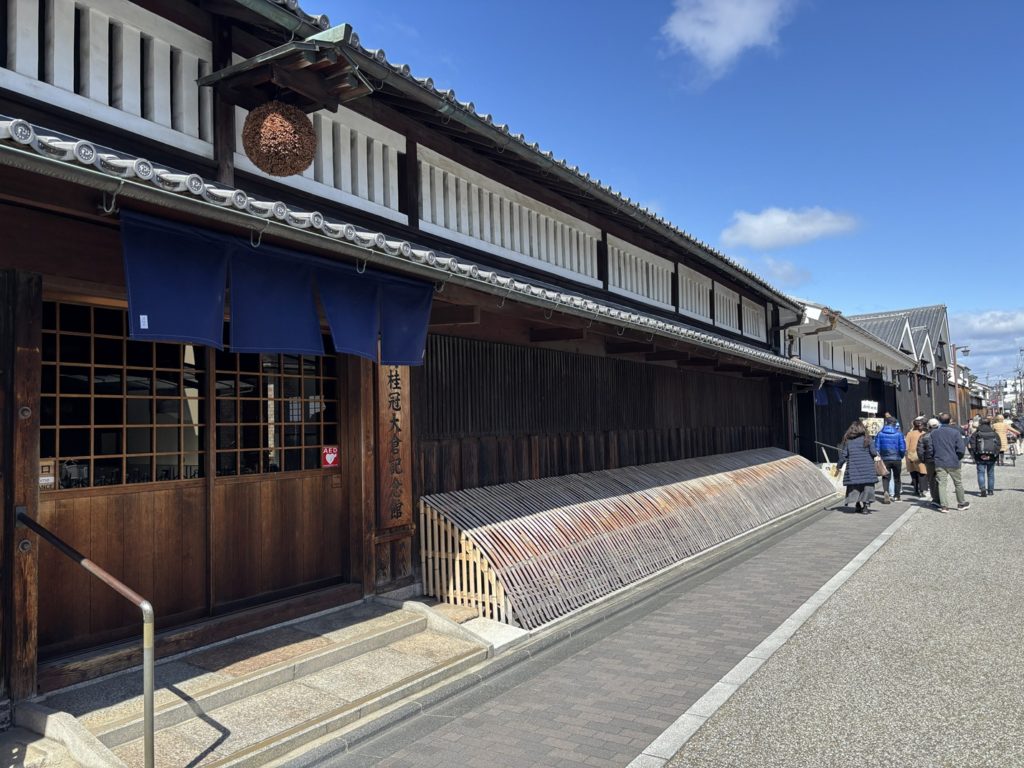
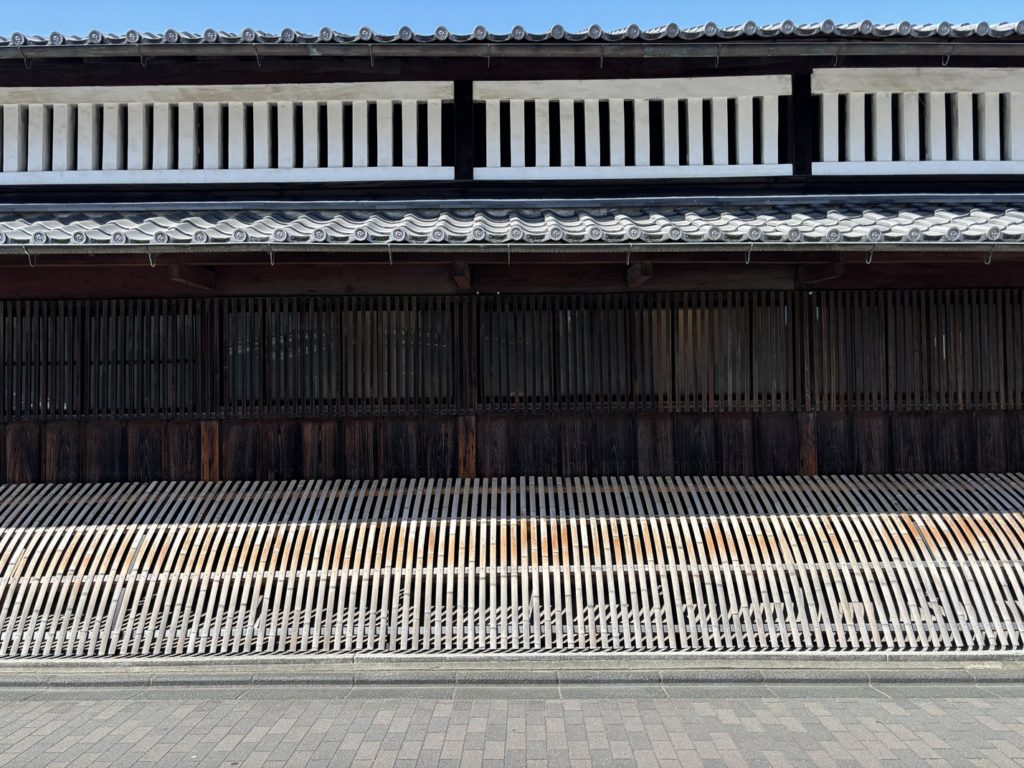
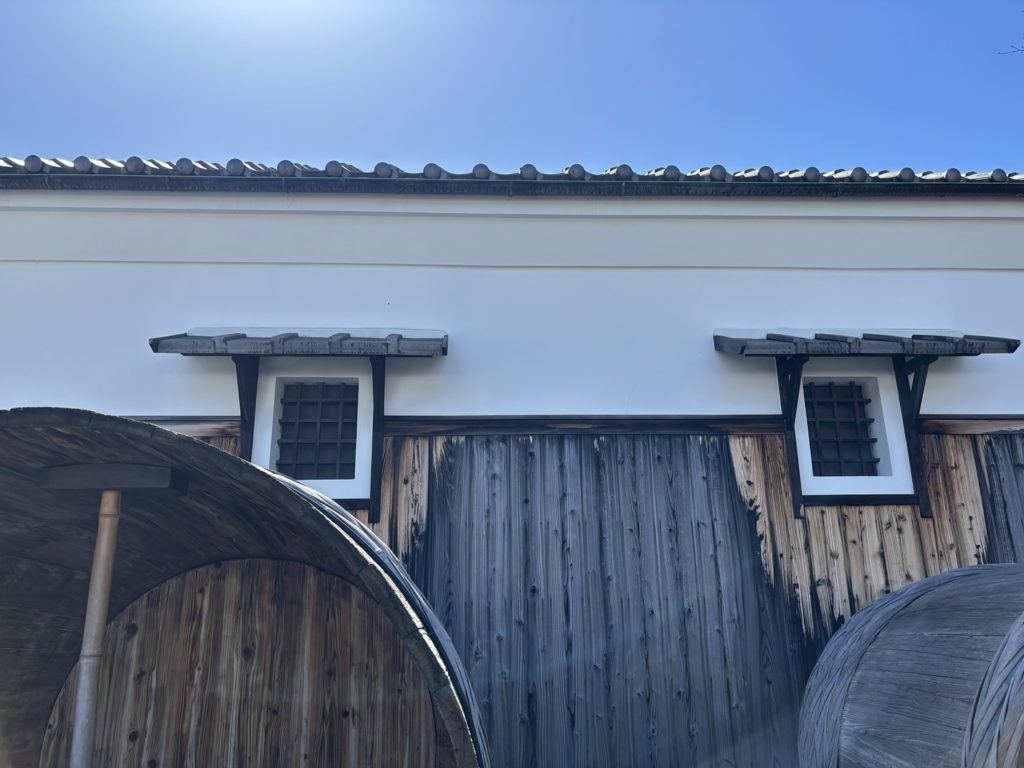

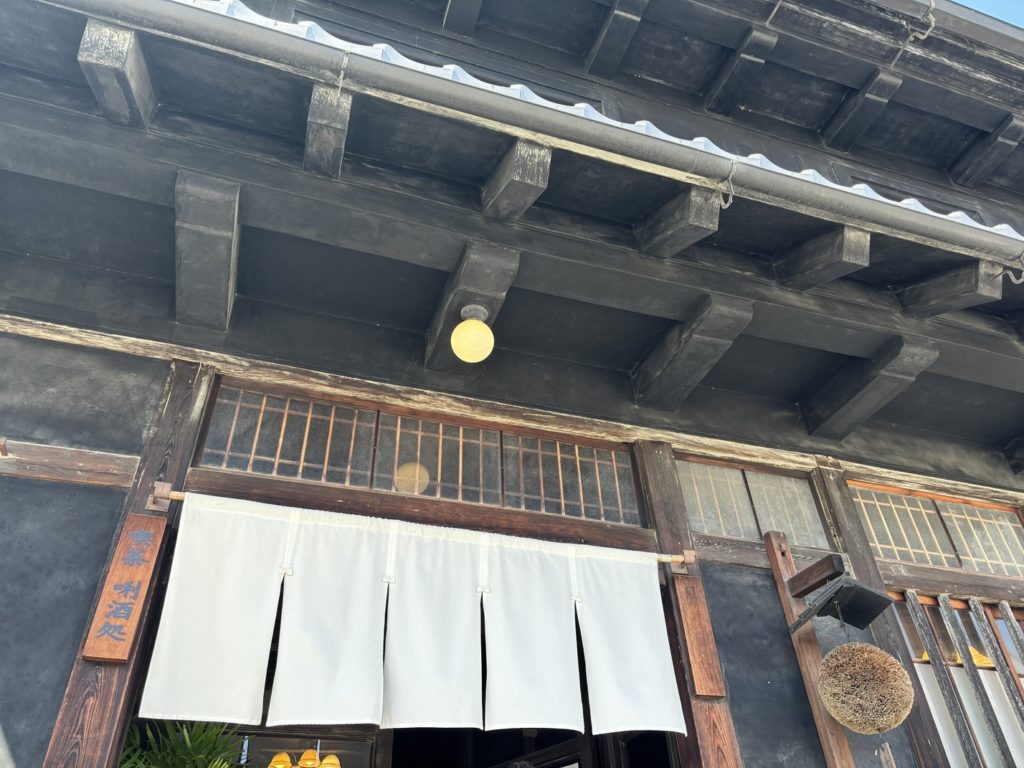
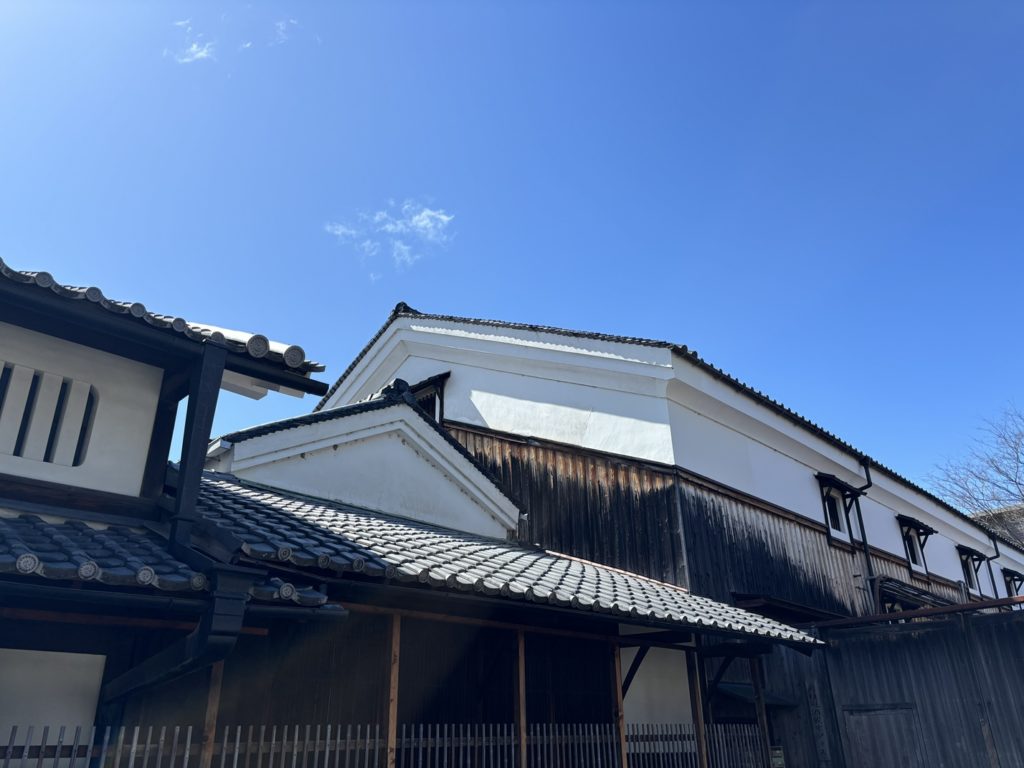

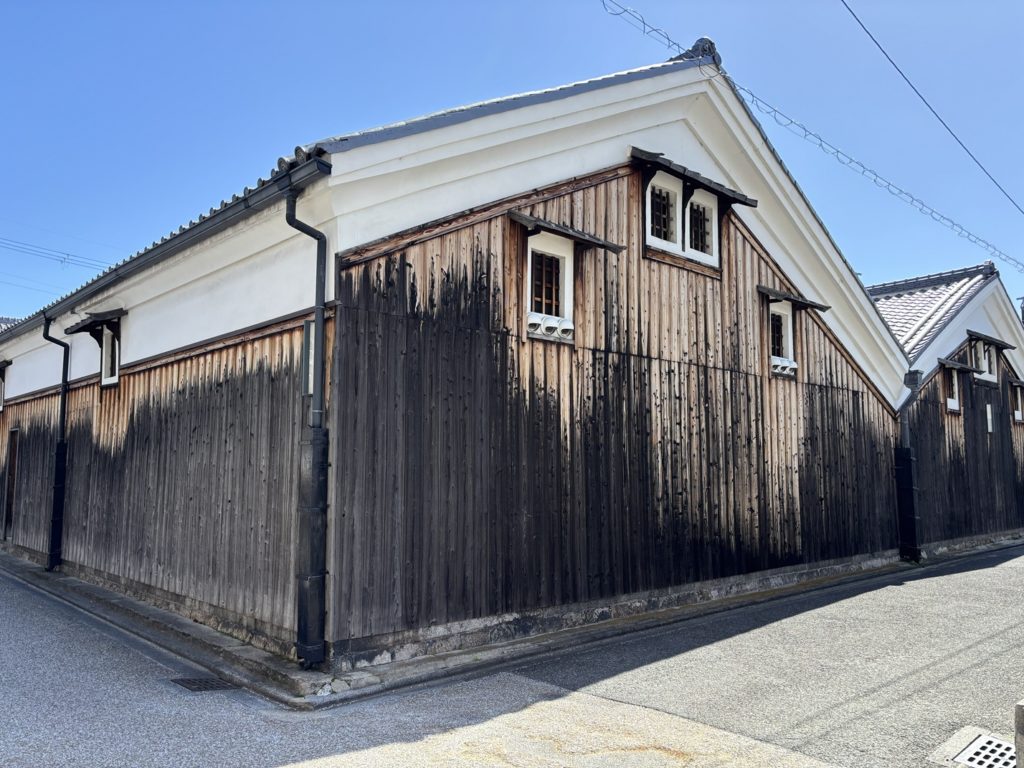

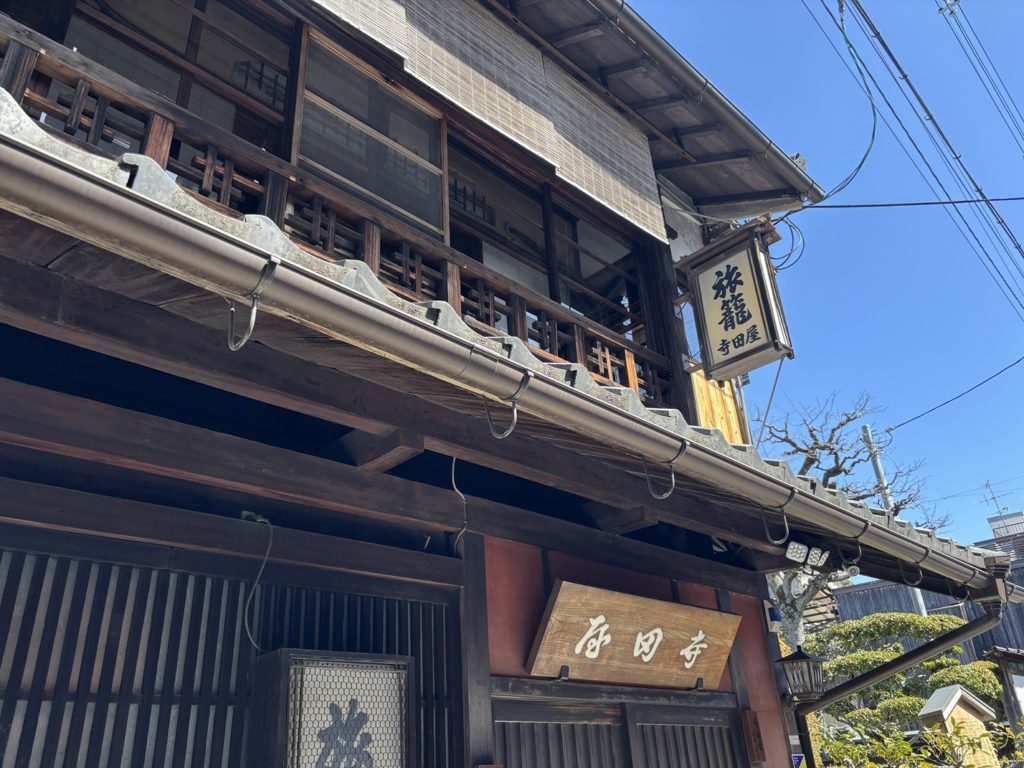
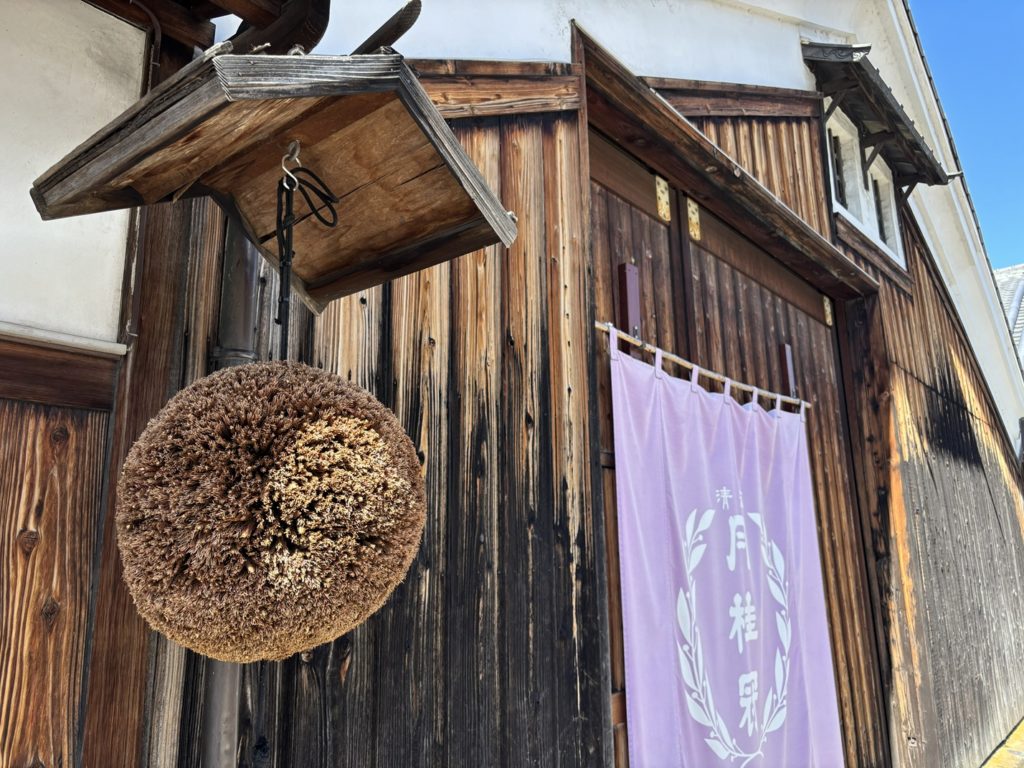
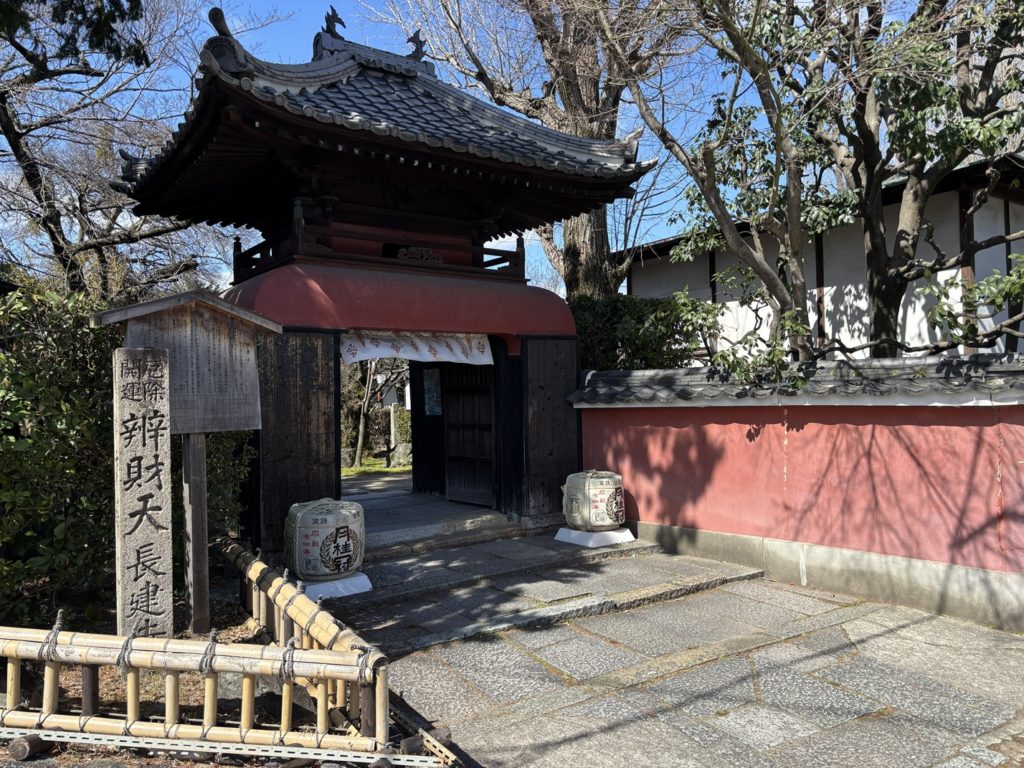
In winter, the peak season for sake brewing, smoke rises from the chimneys of the sake breweries scattered throughout the town, and simply seeing this sight gives you a real sense of what it’s like to be in a town known for sake brewing.
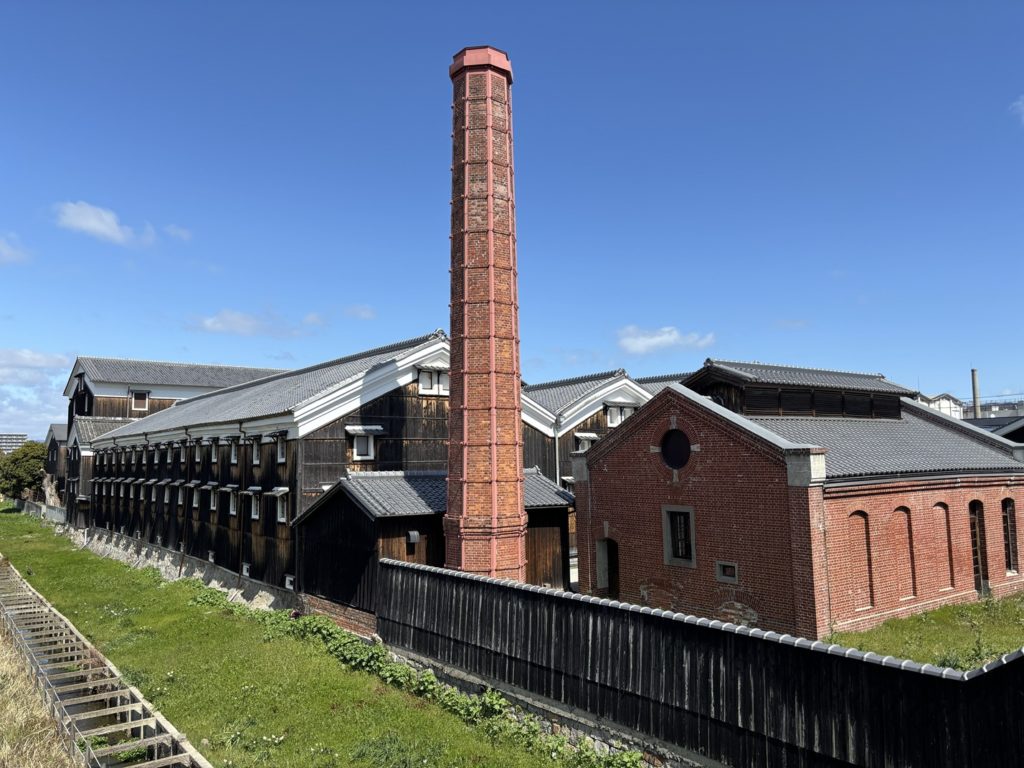
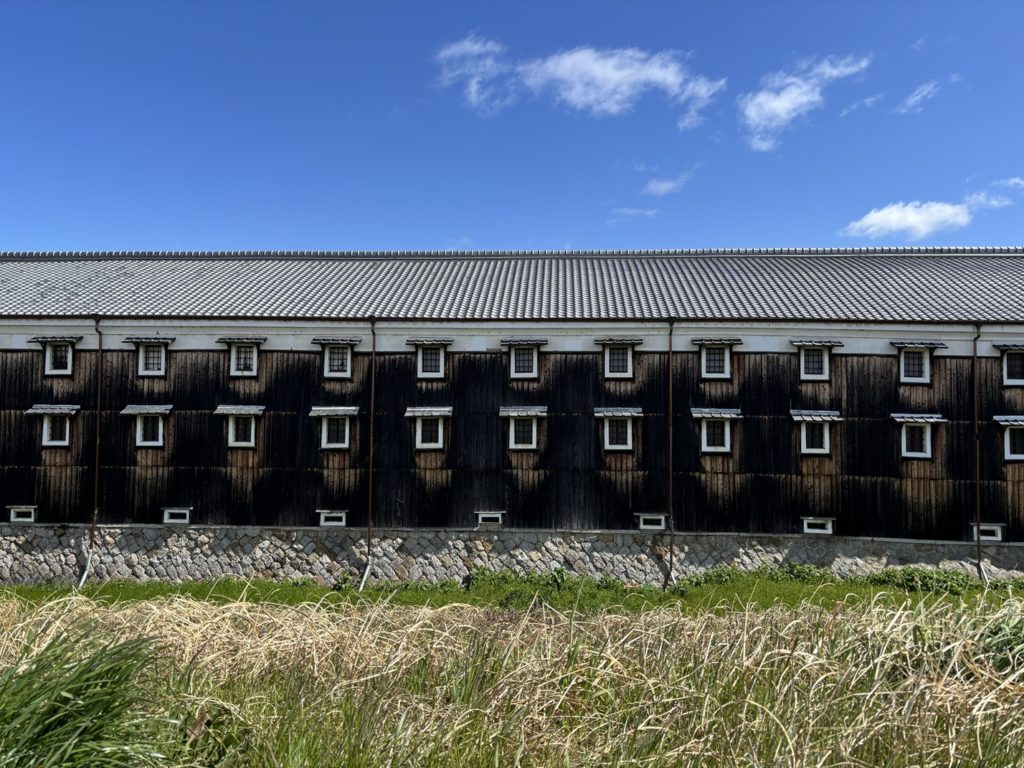
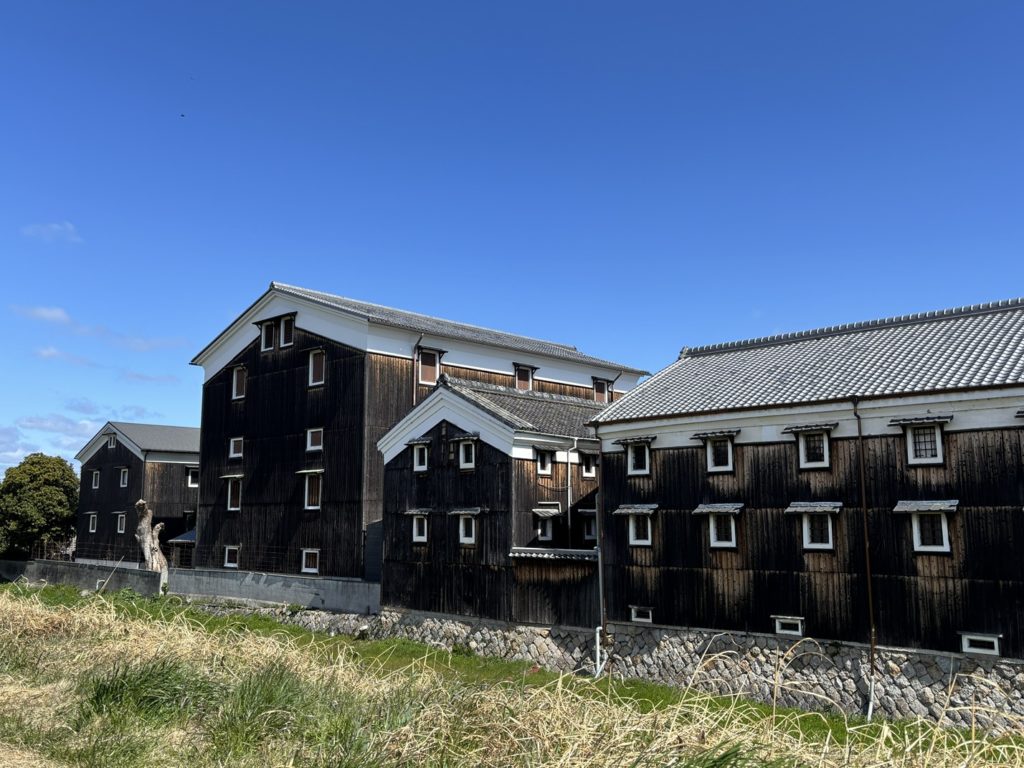
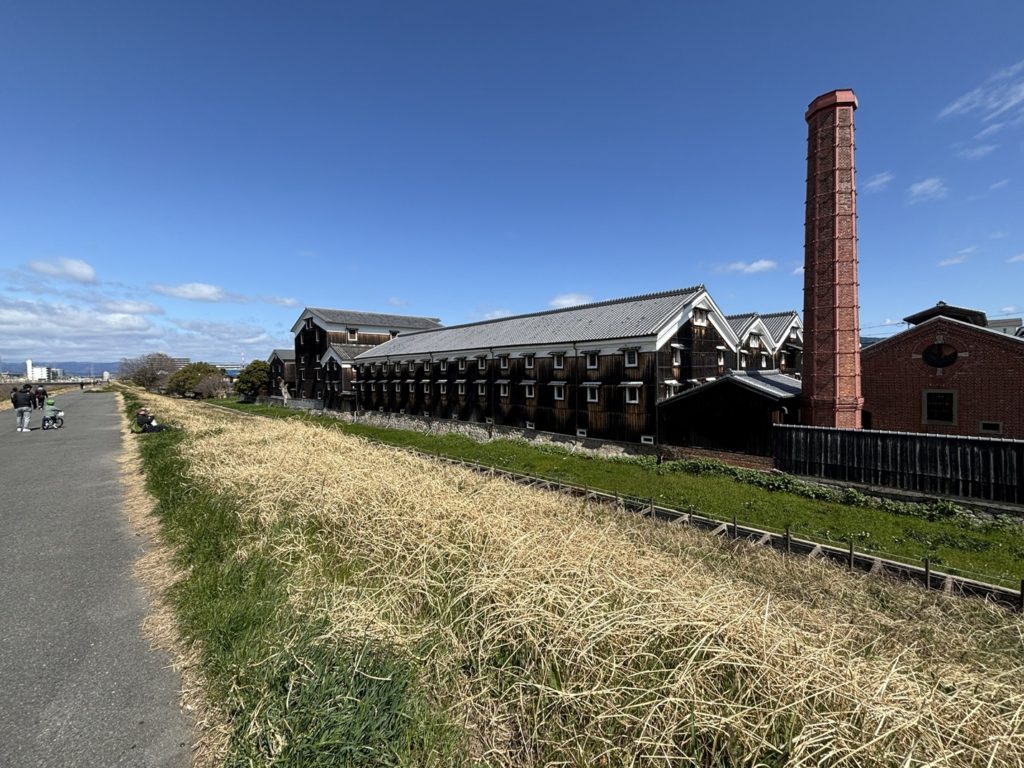

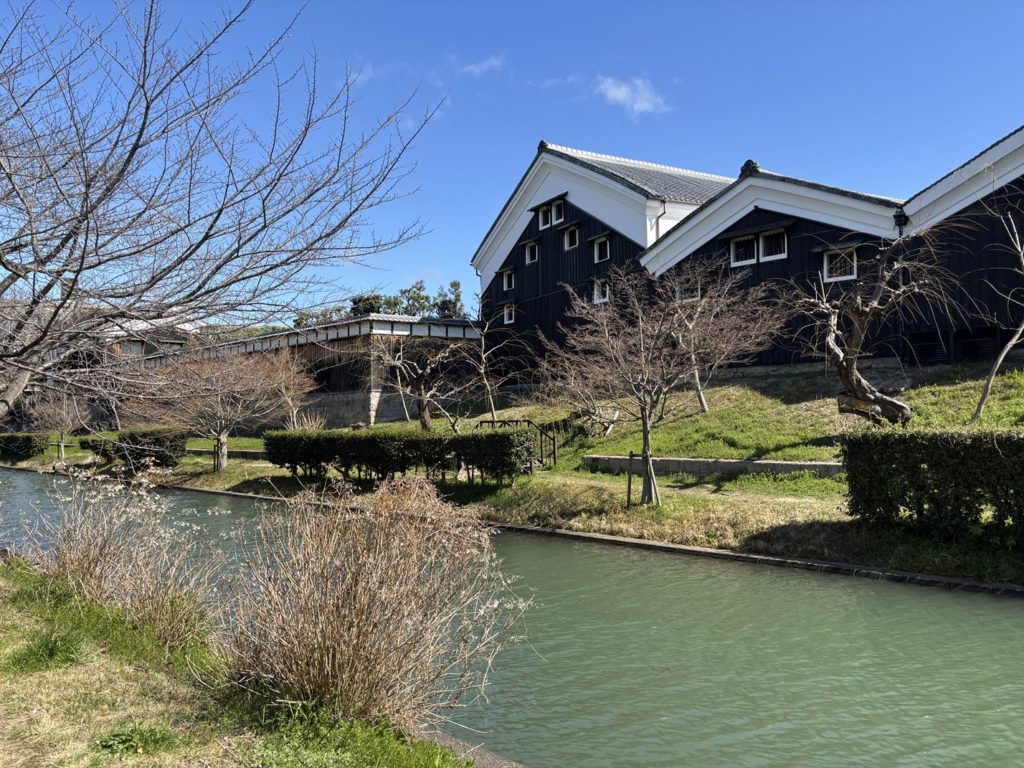
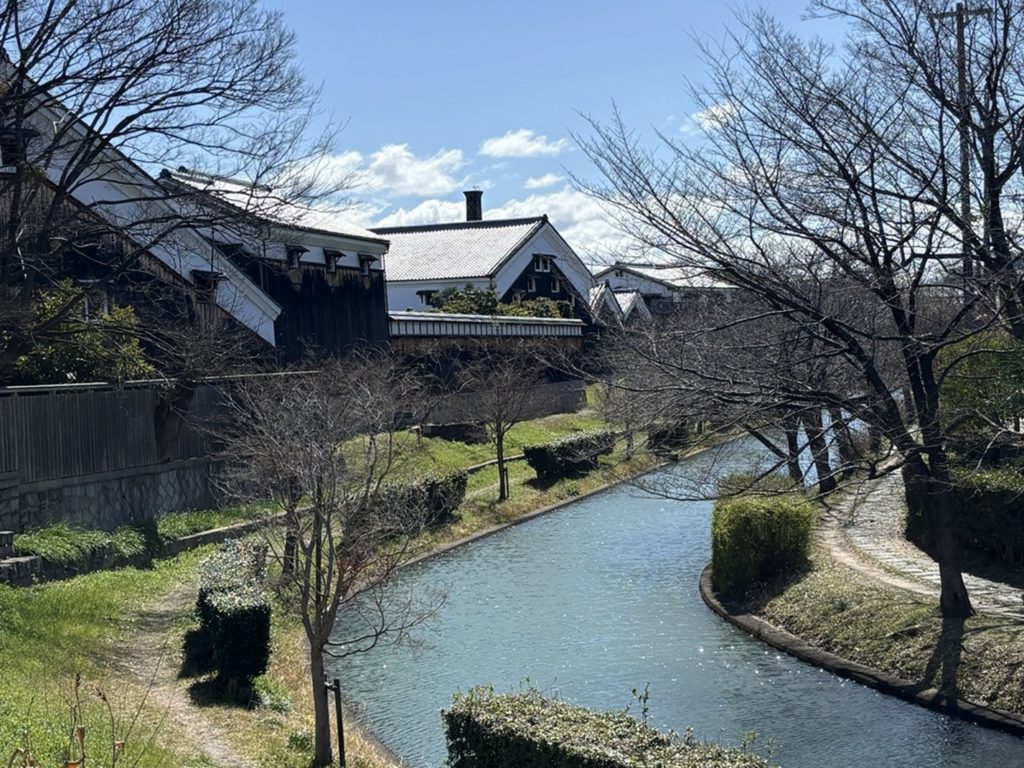
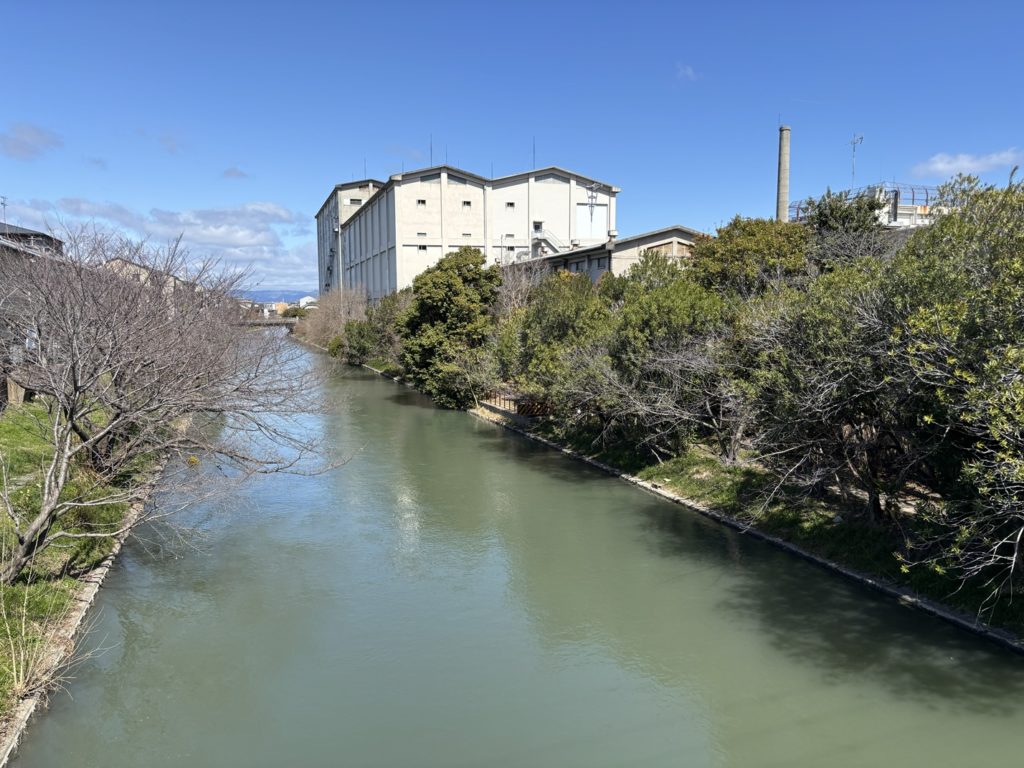
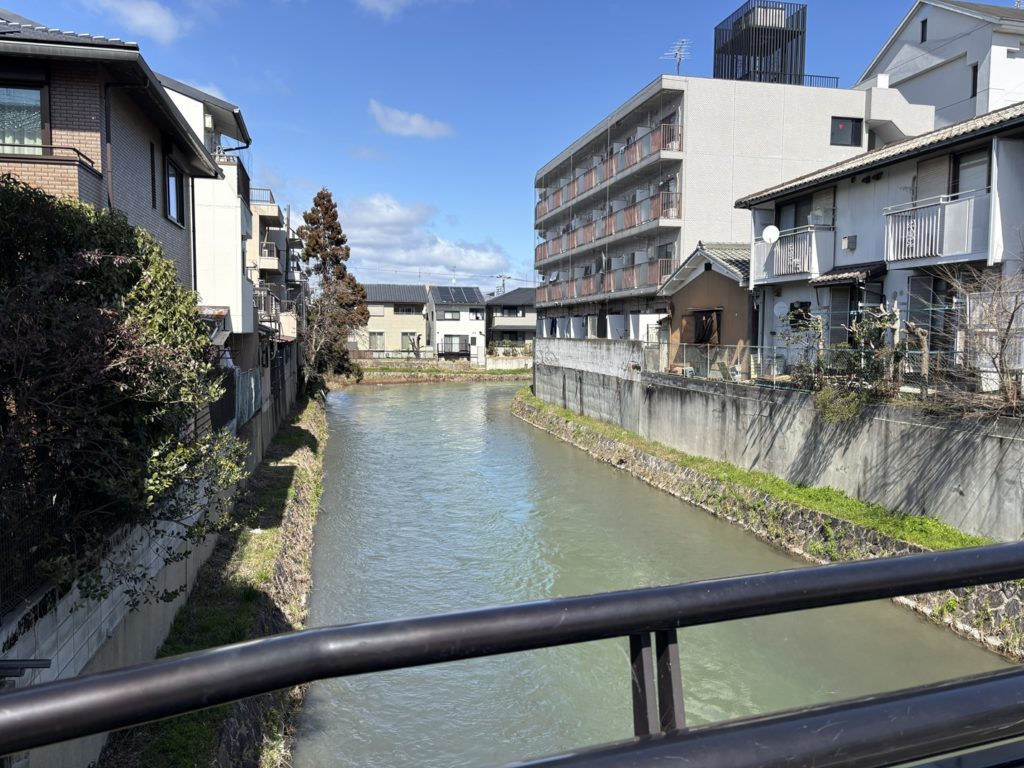
The town of Fushimi is surrounded by canals
Fushimi is also a city of canals. Canals flow around the downtown area of Fushimi.These canals are a remnant of the time when Fushimi Castle stood on this site. Originally built to defend the castle, they became vital waterways for transporting people and goods after the castle was demolished.In particular, the canal that flows near the sake breweries is a popular photo spot often featured in magazines, adding to the charming atmosphere of Fushimi.
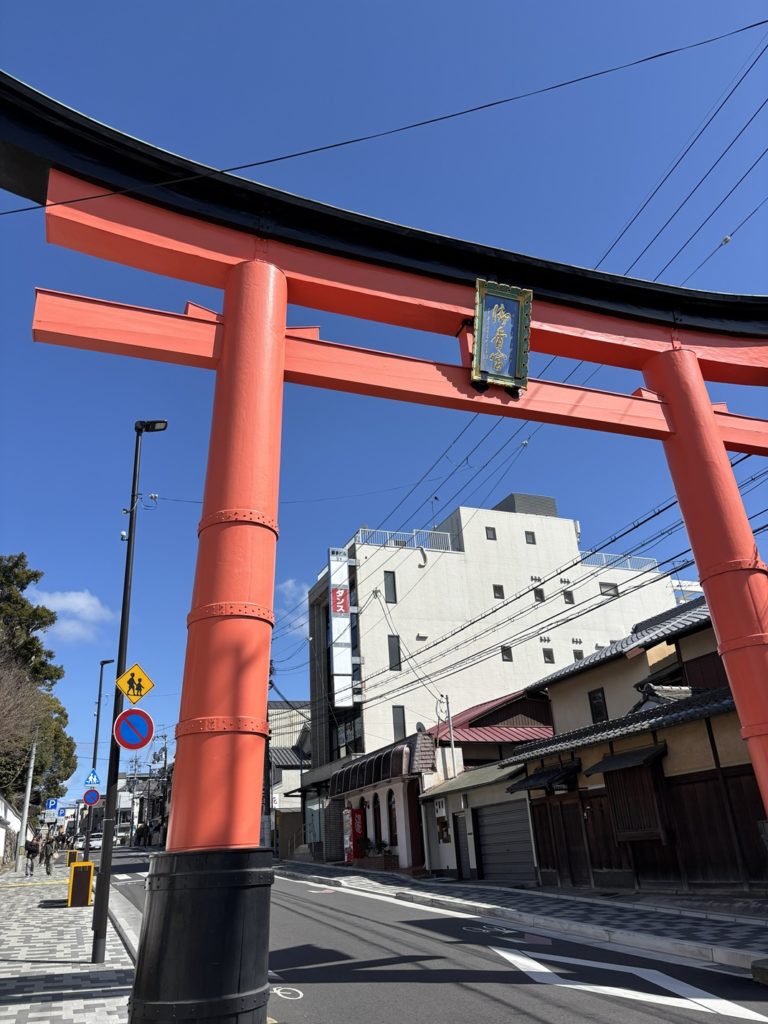
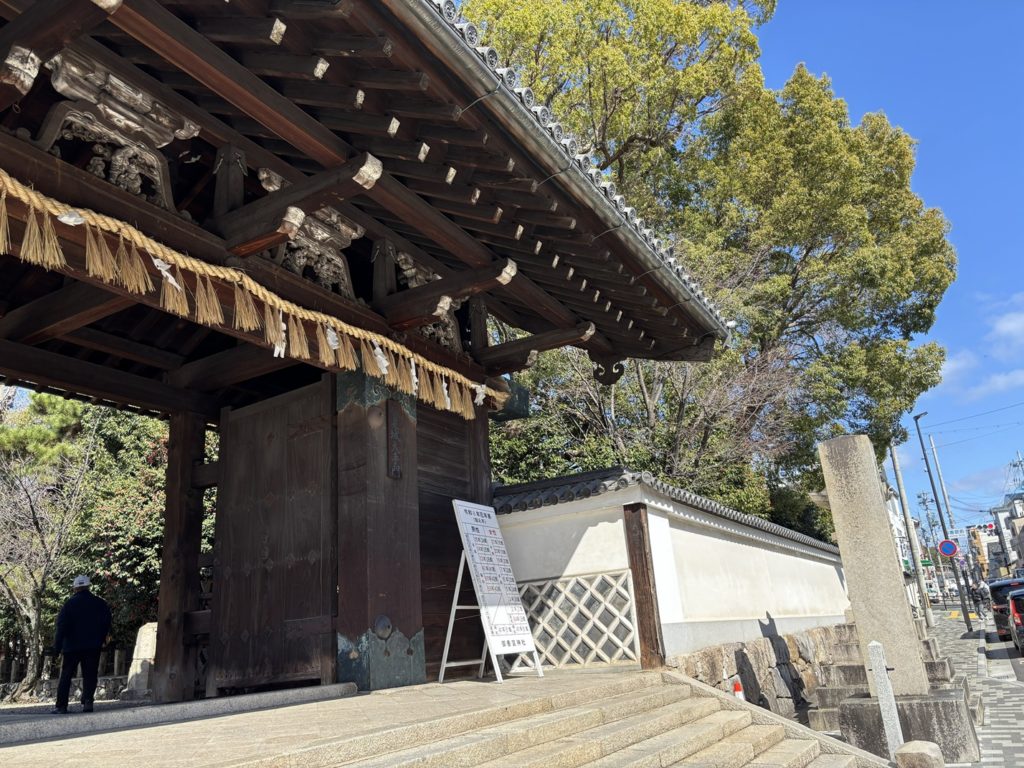
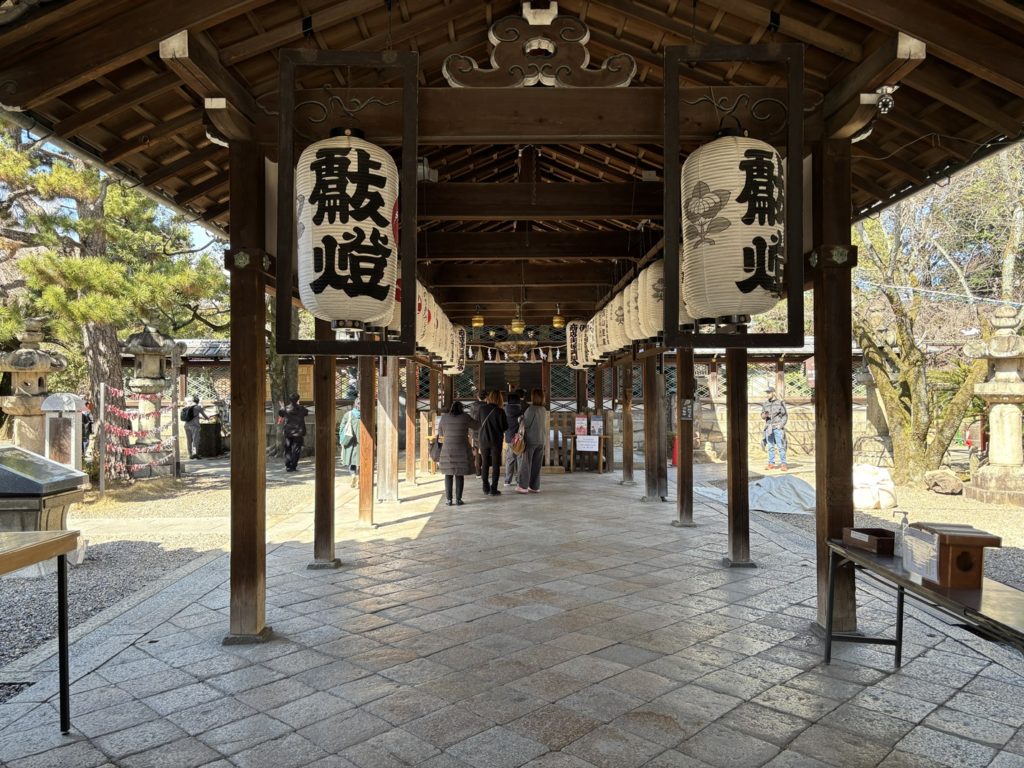
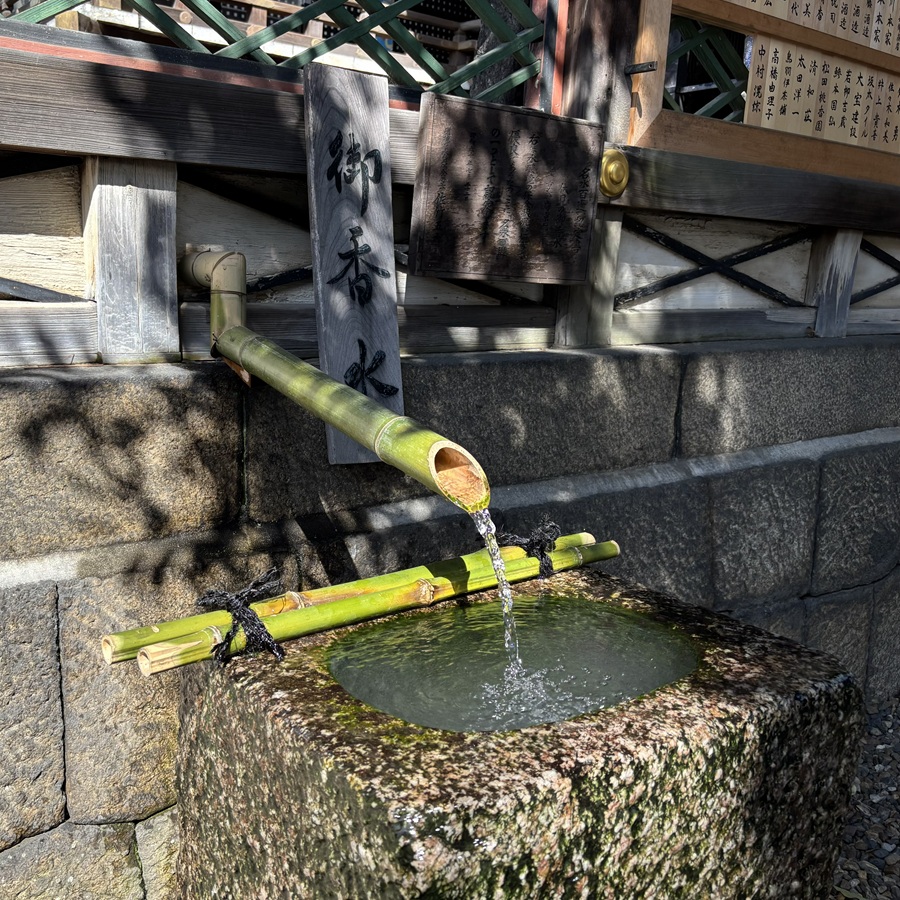
Drinking the famous spring water at Goko-no-miya Shrine
Within the grounds of Goko-no-miya Shrine, a spring known as Goko-sui flows. Anyone is welcome to drink from this spring at any time, so please be sure to take a sip when you visit the shrine.
This spring water flows from the Momoyama Hills. Even today, local residents still collect it as sacred water, using it for healing, tea ceremonies, and daily household needs.
Castle once stood in Momoyama.
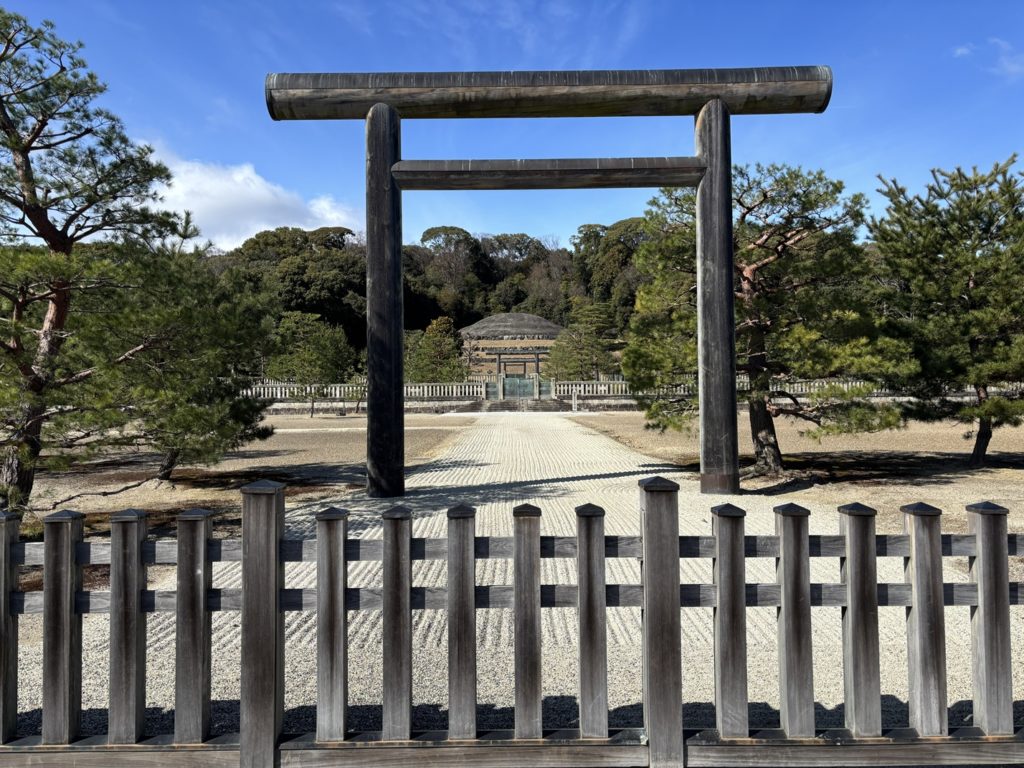
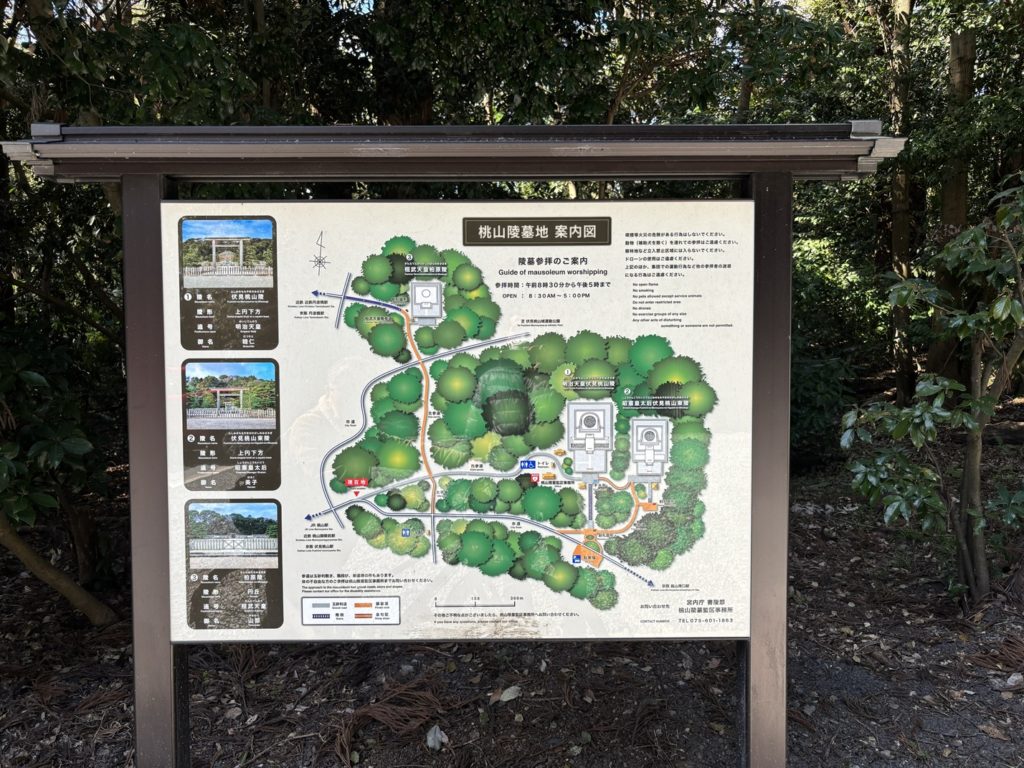
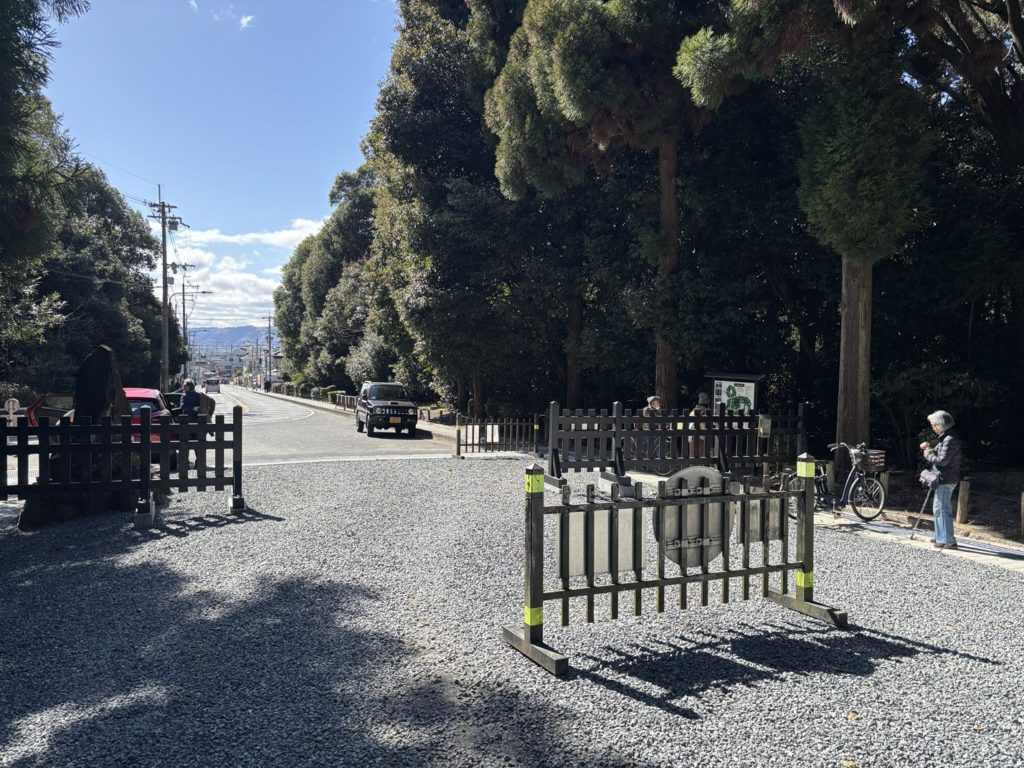
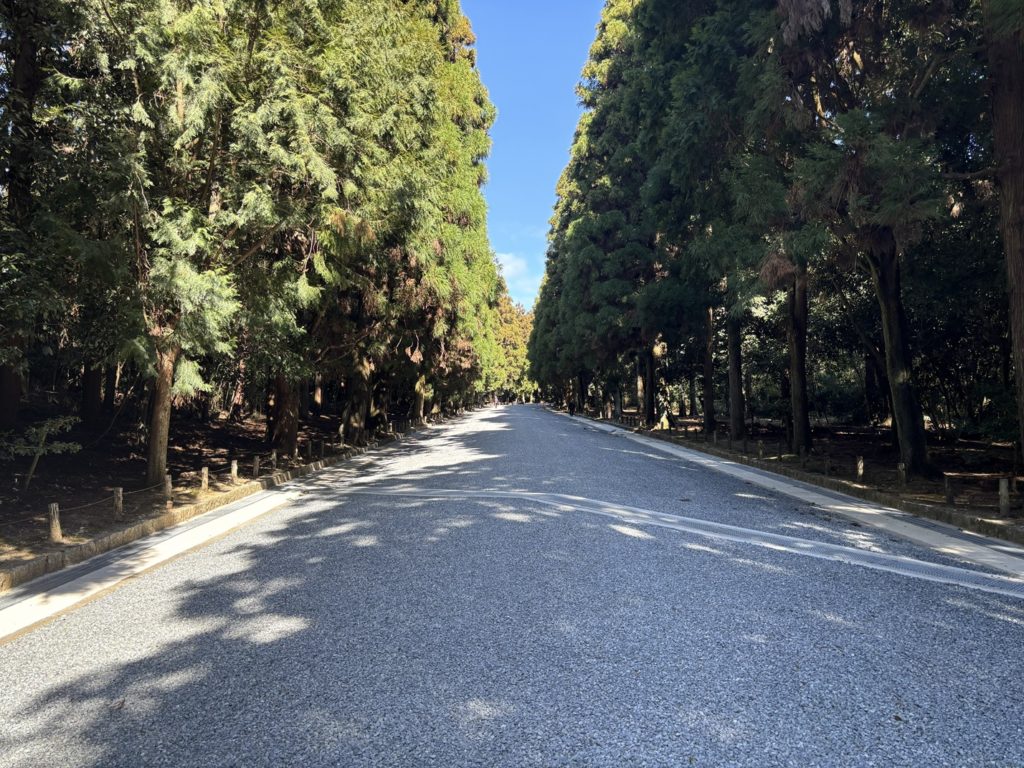
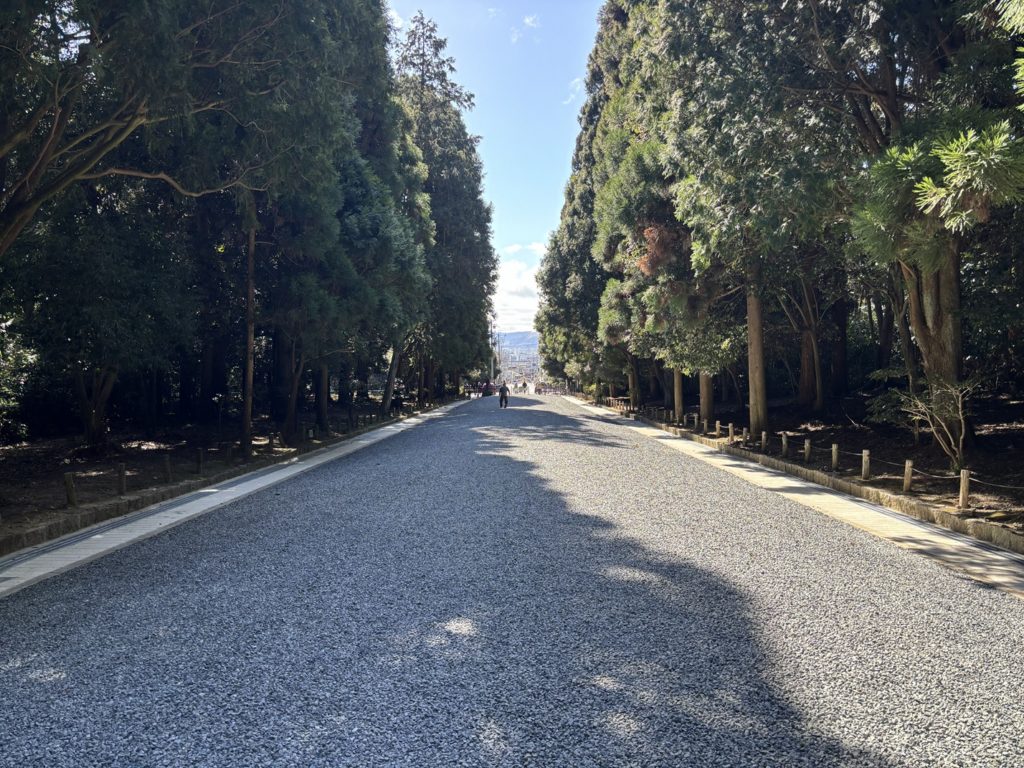
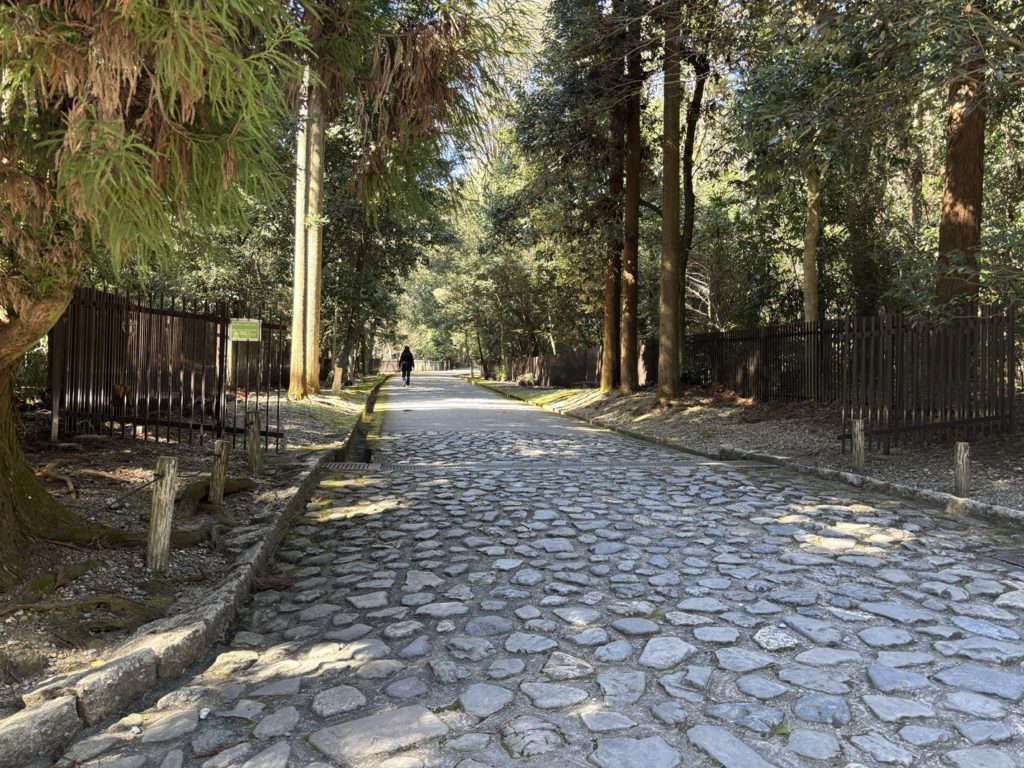
To the east of downtown Fushimi lies the Momoyama Hills, a small range of hills rising about 100 meters above sea level where Fushimi Castle once stood. Today, the summit of these hills is home to the Momoyama Imperial Mausoleum (the mausoleum of Emperor Meiji), surrounded by vast green spaces.
Today, Fushimi is often thought of as a town of sake breweries, but in the past, during the Azuchi-Momoyama period (1573–1603), Fushimi was home to Fushimi Castle, built by Toyotomi Hideyoshi(1537-1598), and the town flourished as a castle town. Furthermore, since Fushimi was also a political hub at the time, many daimyo established residences there, making it a major political center as well.
After Hideyoshi’s death, Fushimi remained a political hub during the early Tokugawa period (1603–1868), but later, as the political center shifted to Osaka, the town of Fushimi gradually fell into decline, and eventually Fushimi Castle was demolished.
The castle keep visible from downtown today is a replica that was once part of a leisure park that stood here. Although the leisure park is no longer in operation, the replica keep has been preserved as a symbol of Fushimi at the request of local residents.These hills serve as the source of the abundant underground water used in sake brewing.
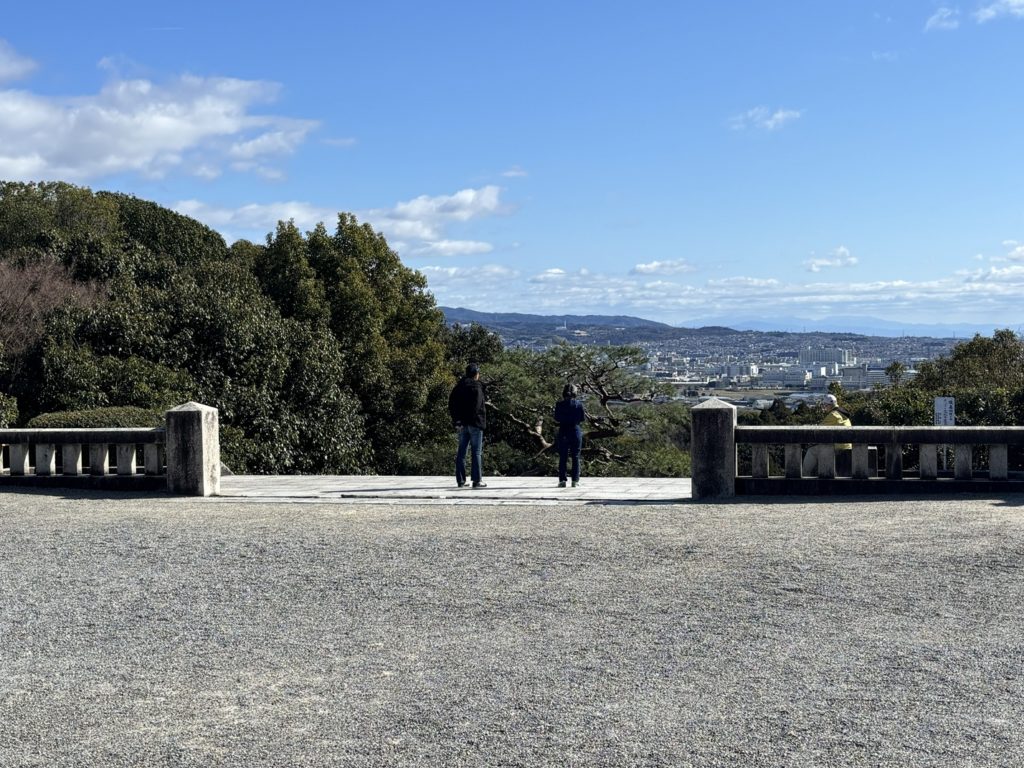
Fushimi is a neighborhood rich in history, home to sake breweries and canals, as well as the Momoyama Imperial Mausoleum, surrounded by lush greenery, and the Goko-no-miya Shrine, renowned for its pristine spring water—it’s a place where you can easily spend a whole day exploring.
To get from central Kyoto to Fushimi,Take the Kintetsu Railway from Kyoto Station for about 15 minutes and get off at Momoyama Imperial Mausoleum Station. Alternatively, take the Keihan Railway from Gion-Shijo Station for about 15 minutes and get off at Fushimi-Momoyama Station. From either station, the Momoyama Imperial Mausoleum is a 10-minute walk to the east, and the downtown area of Fushimi is just a few minutes’ walk to the west.


Comment