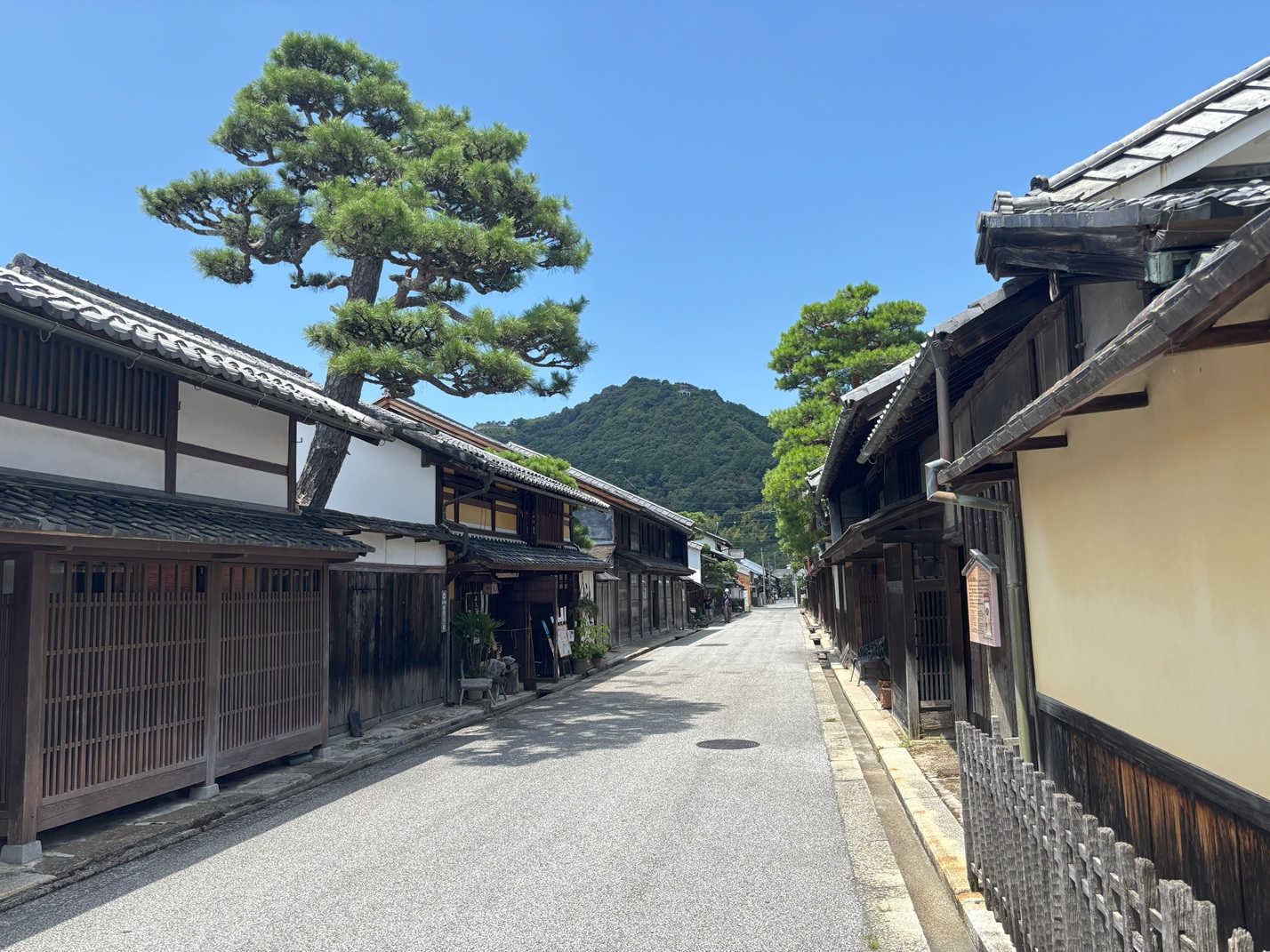
Omi-Hachiman developed as a commercial city during the Edo period(1603-1868) based on the castle town built by Toyotomi Hidetsugu.
The traditional townscape still retains its old-world charm, offering views of Mt. Hachiman, which stands at an elevation of 270 meters.This mountain was once the site of Toyotomi Hidetsugu’s castle, and although only the stone walls remain today, the castle ruins offer views of Mt. Hiei and Lake Biwa in the distance.
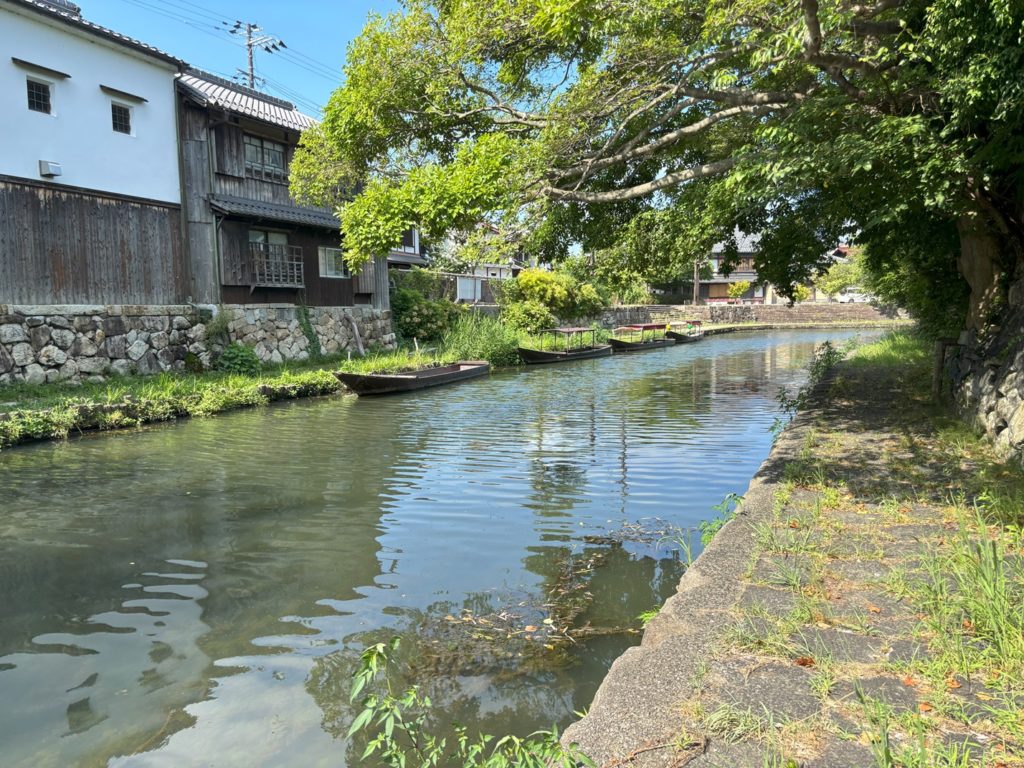
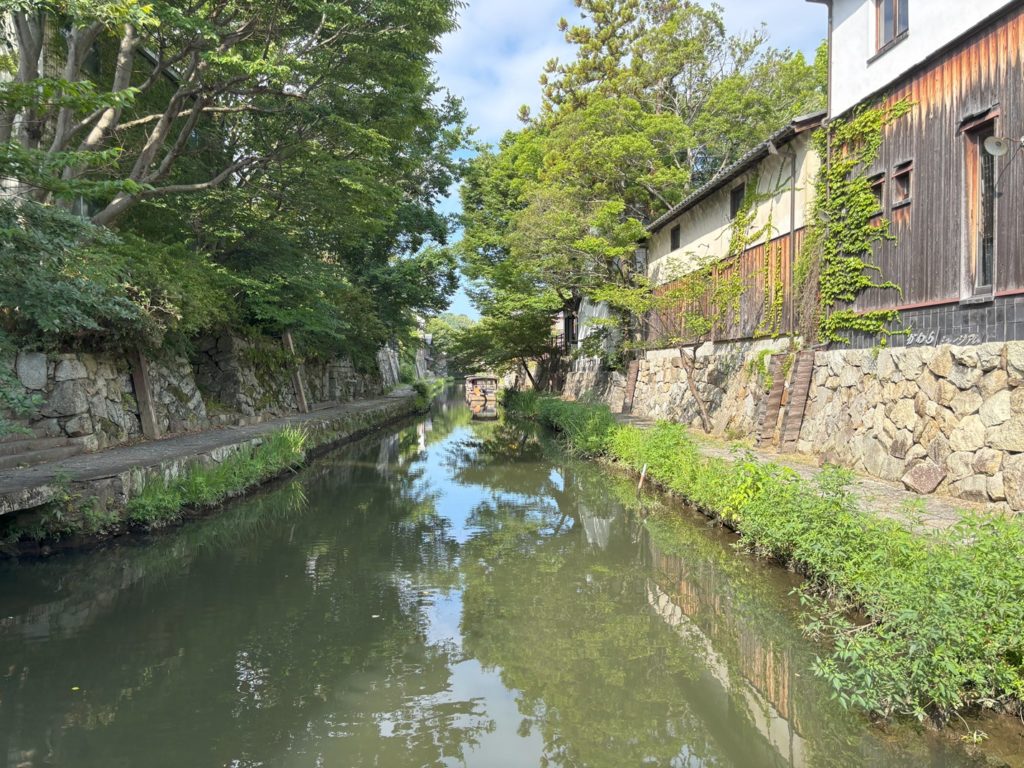
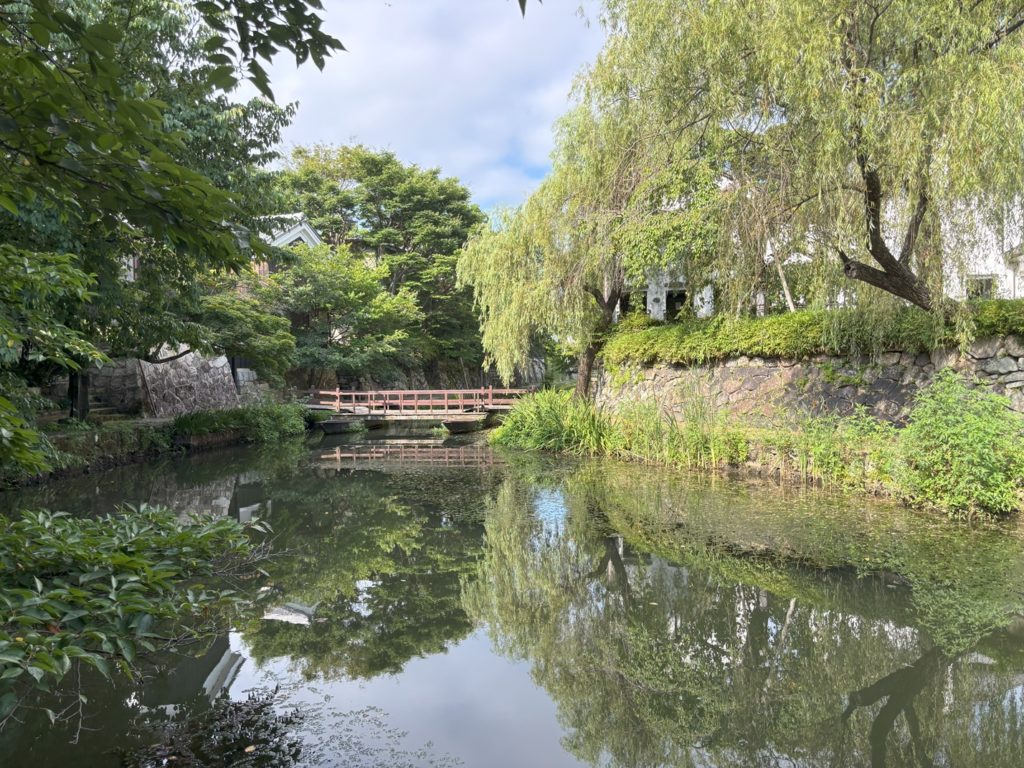
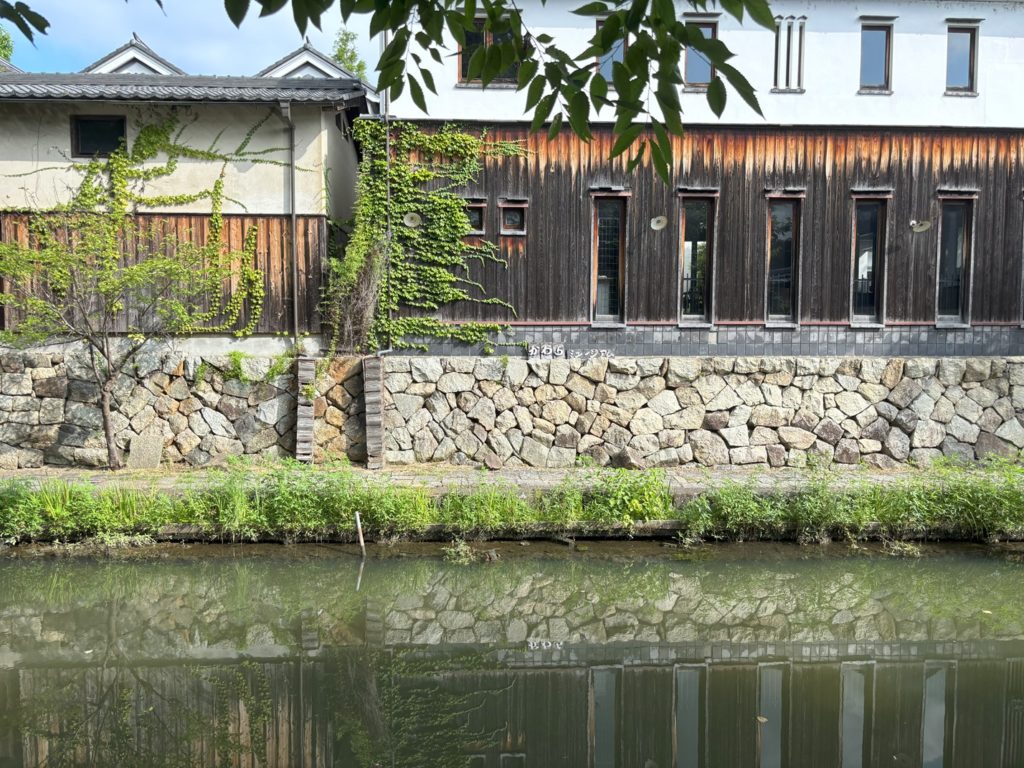
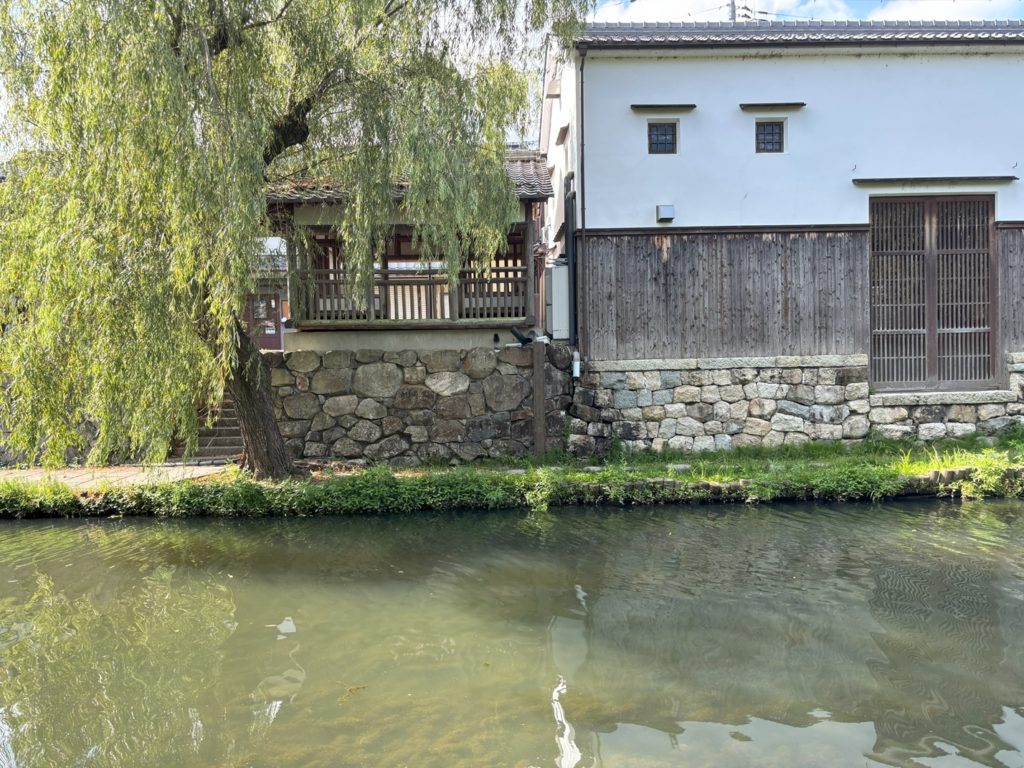
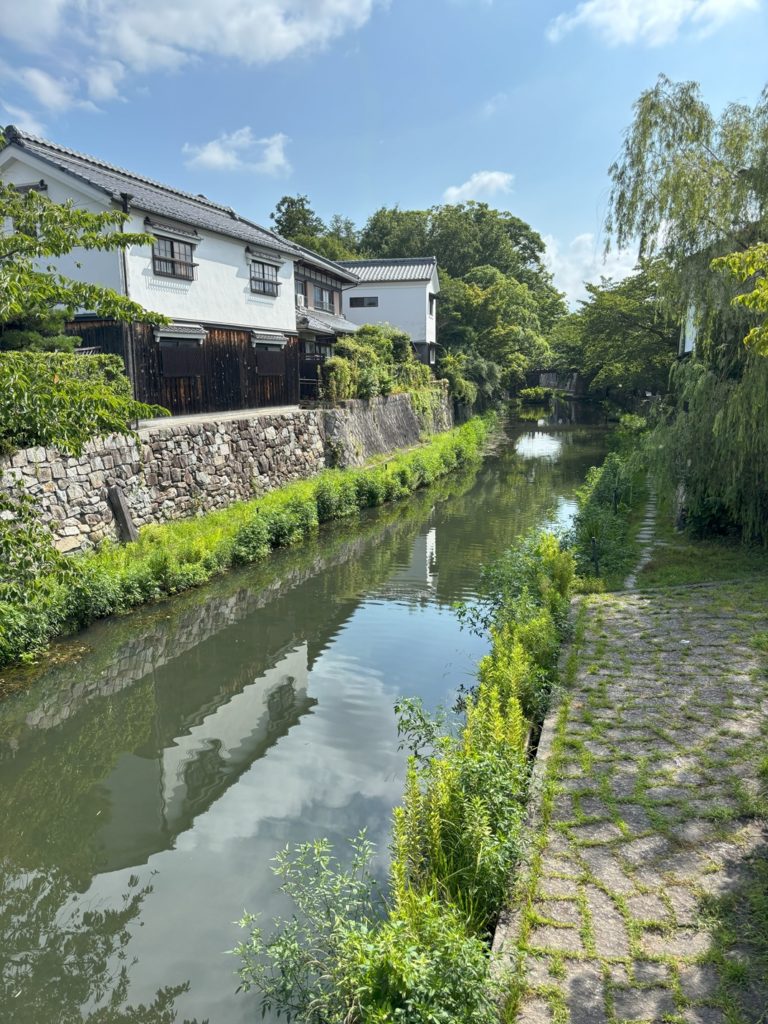
Additionally, the Hachiman-bori Moat flows around the base of Mt.Hachiman. Omi-Hachiman is a charming castle town known for its canal, picturesque streets, and the lush greenery of the nearby Mt.Hachiman.

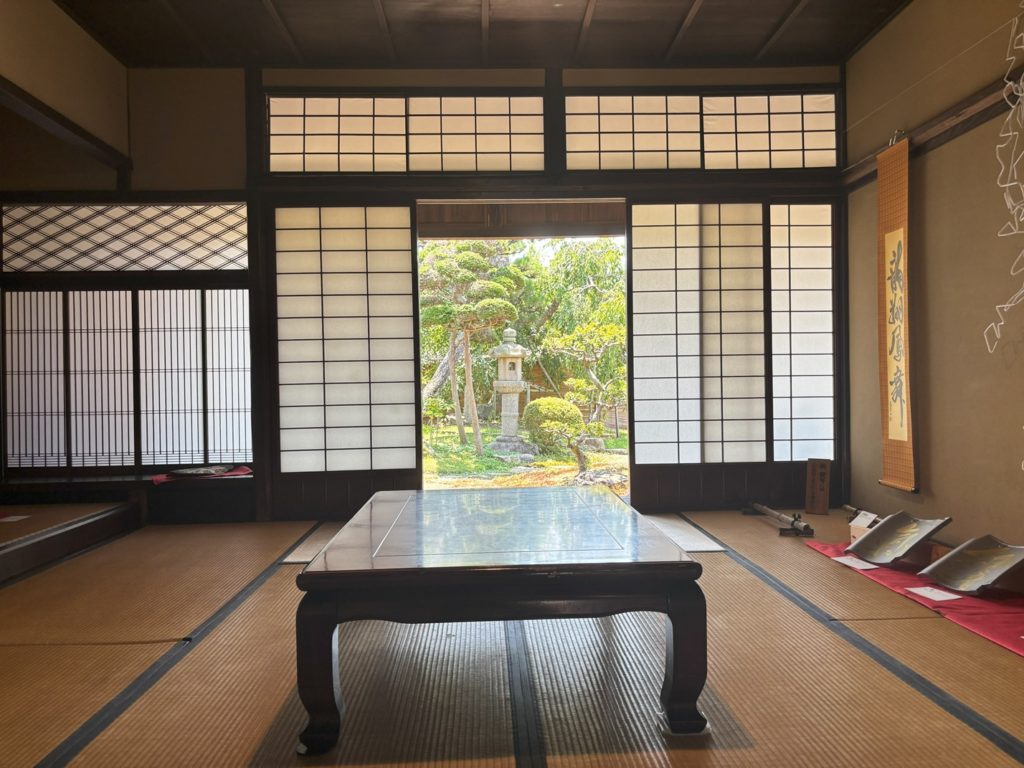
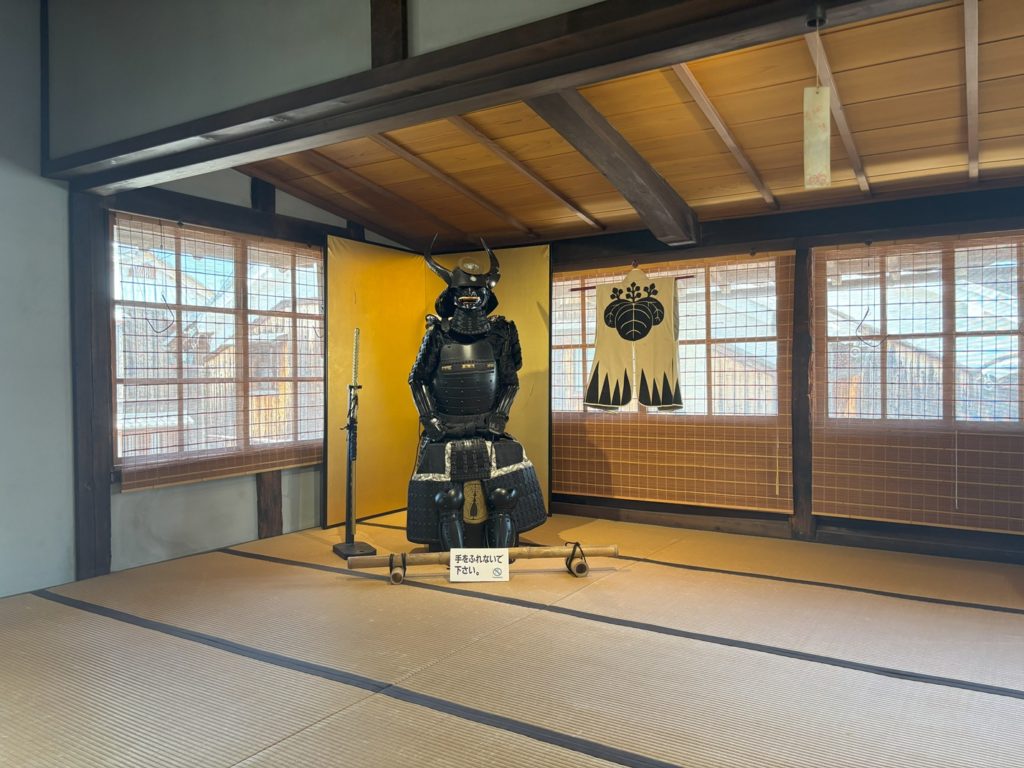
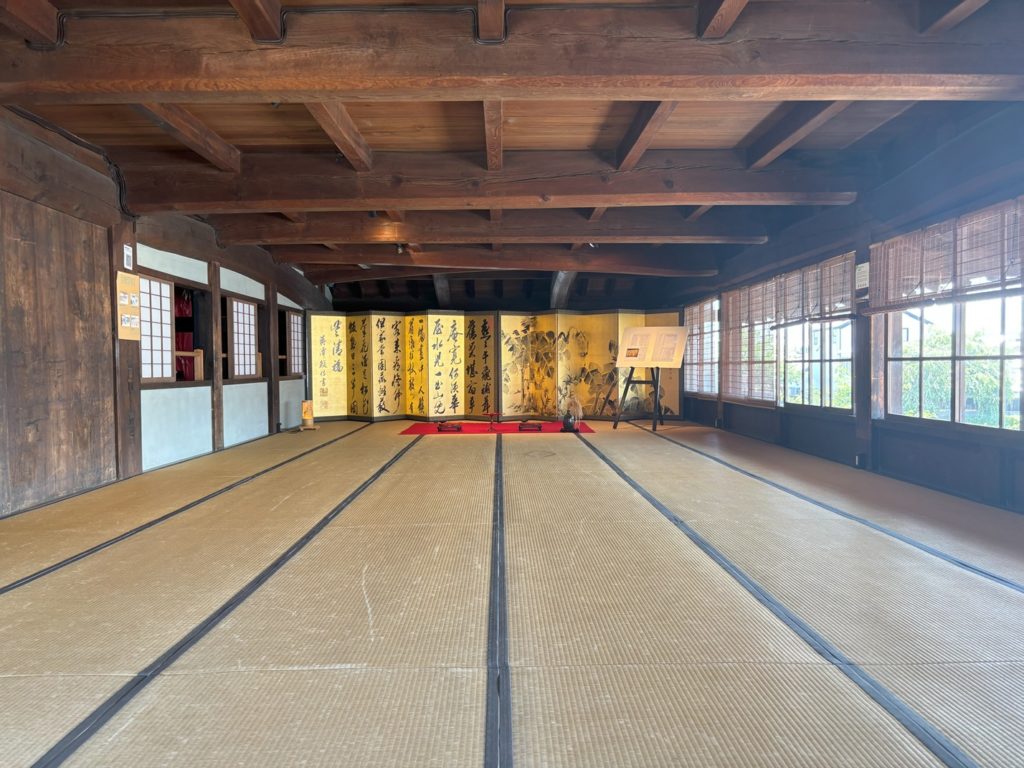
Christian Protestant missionary and architect Vories left behind many buildings scattered throughout the town. Amidst the many Japanese-style buildings, these Western-style buildings stand out as unique.
Unfortunately, most of these buildings are not open to the public. The only building that can be freely visited is the former Hachiman Post Office.
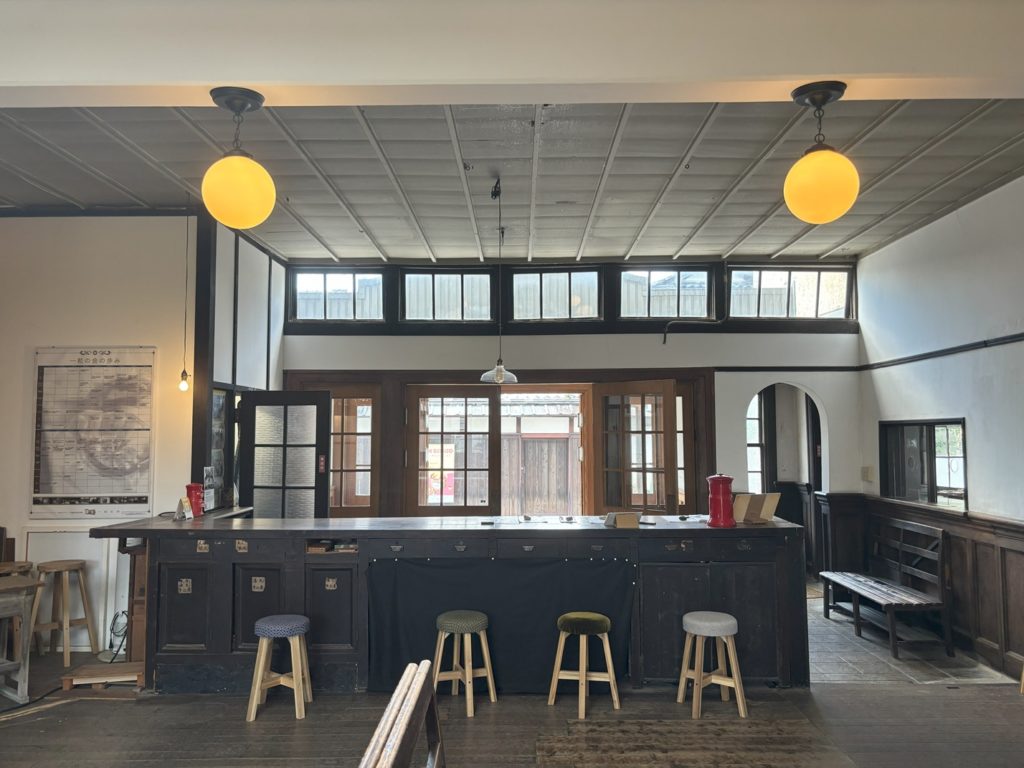

A stroll along the Hachiman-bori Moat is also charming and delightful.
This canal was originally built for defensive purposes to protect the castle, but Toyotomi Hidetsugu used it as a canal for cargo ships traveling to and from Lake Biwa to port. In addition, he implemented policies that favored merchants, and as a result, Omi-Hachiman developed into a commercial city. I believe that it was this environment that led to the emergence of many Omi merchants from this area.






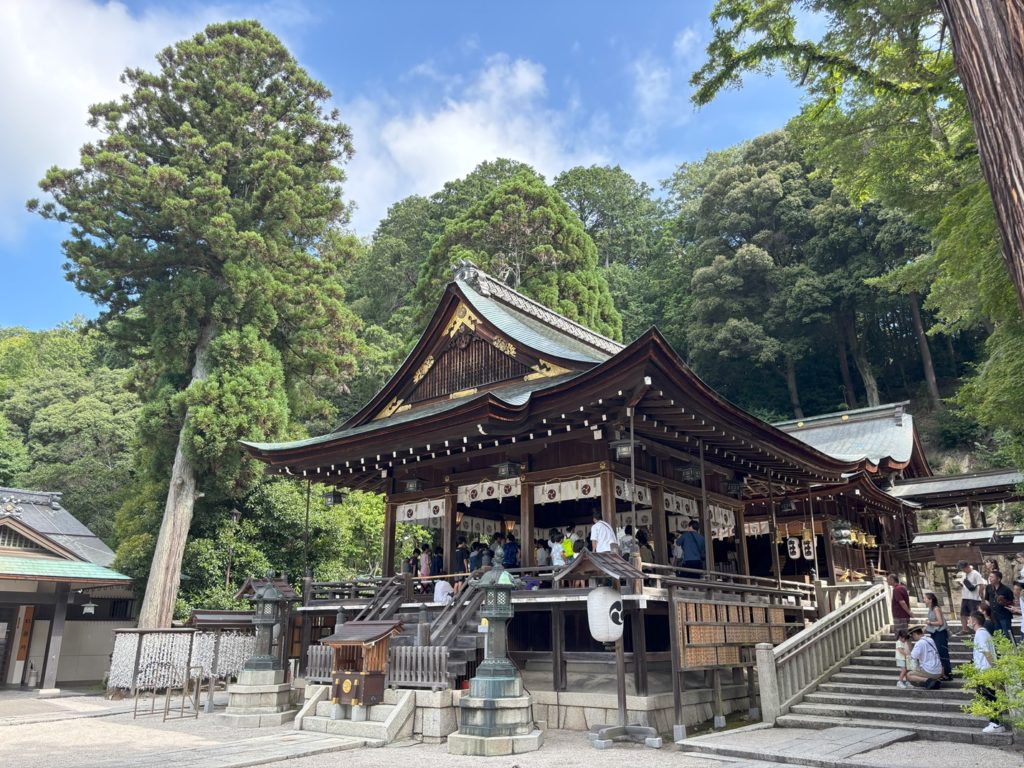
Located at the foot of Mt. Hachiman, Himure-hachiman Shrine is a historic shrine. It is also revered as the guardian deity of Omi merchants.
It takes about 40 minutes by JR from Kyoto Station to Omi-Hachiman Station. From Omi-Hachiman Station, take the Omi Bus and get off at Hachiman-bori Bus Stop (about 6 minutes).



Comment